2026-09-27
Understanding Sinus Lift: Meaning, Types, and Why Upper Molar Dental Implants Are Highly Complex
Explore why upper molar dental implants are complex procedures, how sinus lift techniques (crestal vs. lateral) create sufficient bone height, and the importance of 3D precision diagnostics.
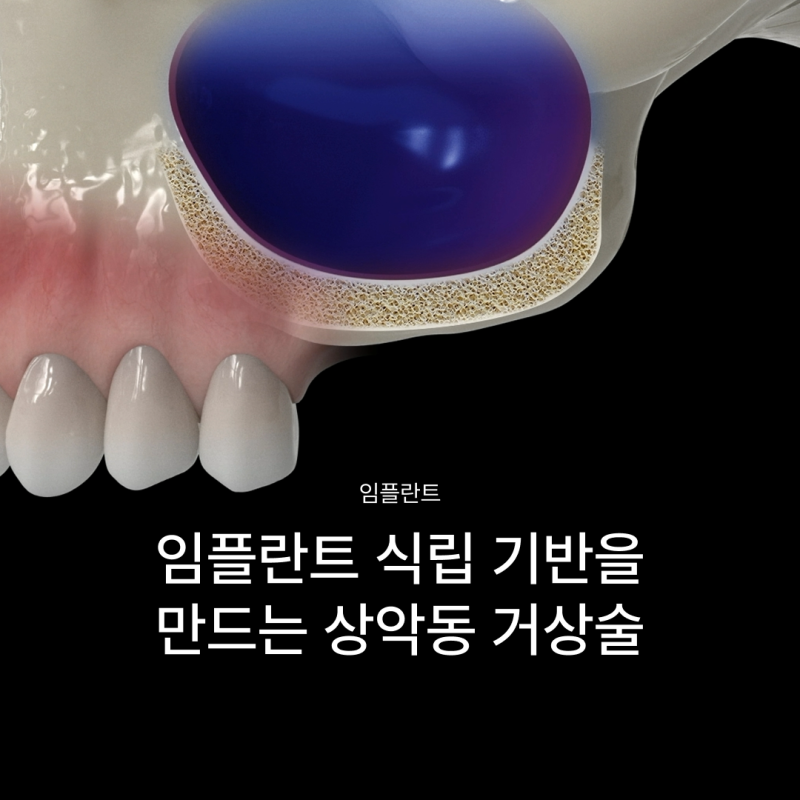
Understanding Sinus Lift: Meaning, Types, and Why Upper Molar Dental Implants Are Highly Complex
Hello,
Starting your comfortable day with Haru, this is Haruplant Dental Clinic.
If you need dental implants due to loose upper molars or severe tooth decay, you may have been told that you need a "sinus lift."
Because "sinus lift" (sinus bone graft) sounds unfamiliar, even after hearing an explanation, it can be hard to grasp what the procedure actually entails.
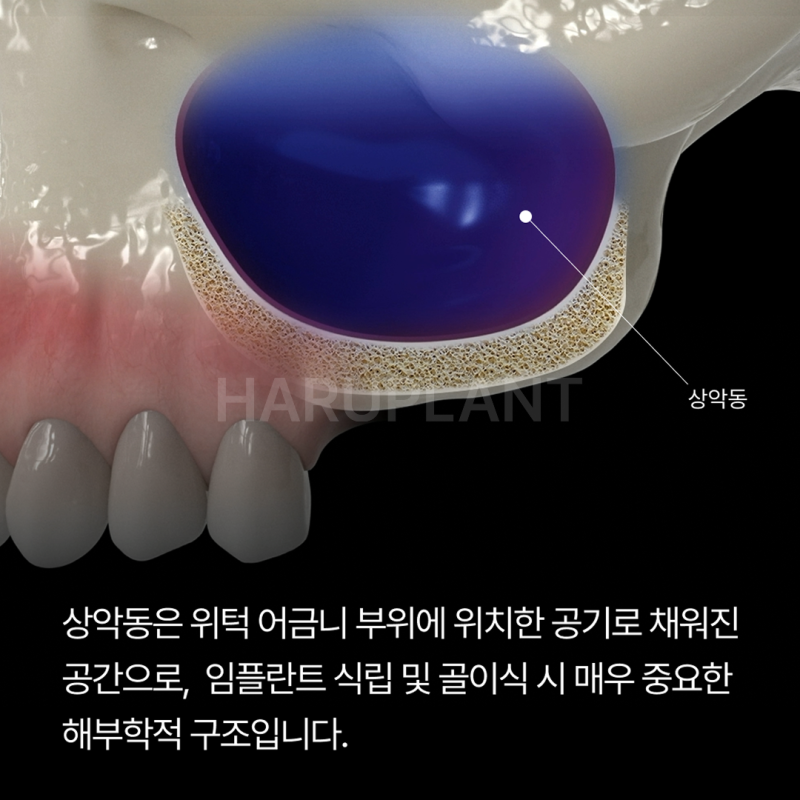
The maxillary sinus is an air-filled space located above the upper molars,
right next to the nose.
It is the blue-colored area shown in the image.
Normally, we rarely think about it, but because it is closely adjacent to the bone where dental implants are placed, the structure of the maxillary sinus must be thoroughly checked when treating upper molars.
The Meaning of a Sinus Lift and Its Relation to Bone Grafting
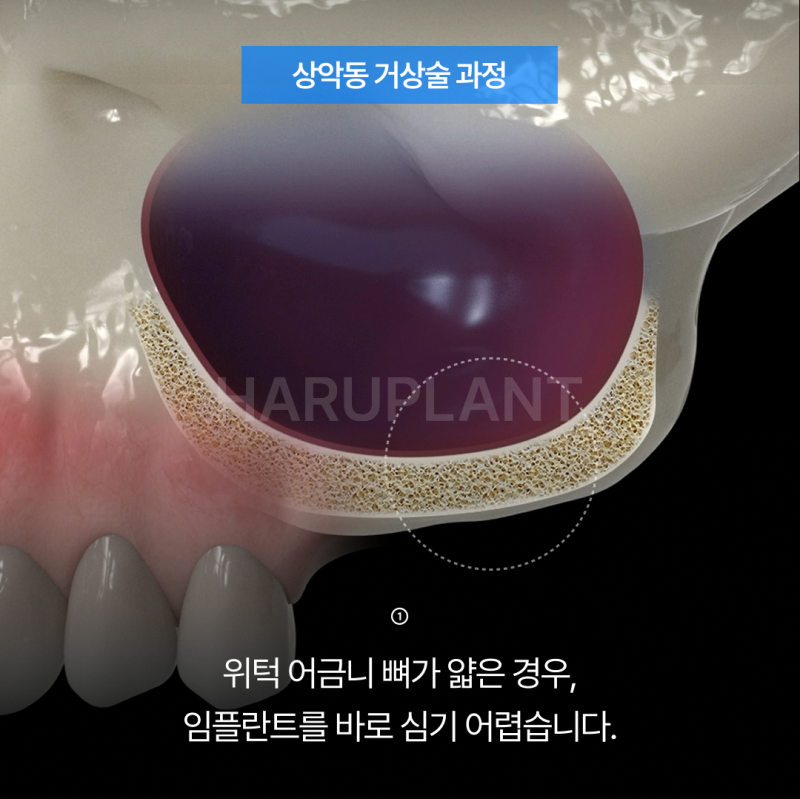
The reason why bone grafting and a sinus lift are often mentioned together during upper molar implant consultations is that sufficient bone height must be secured to stably anchor the implant.
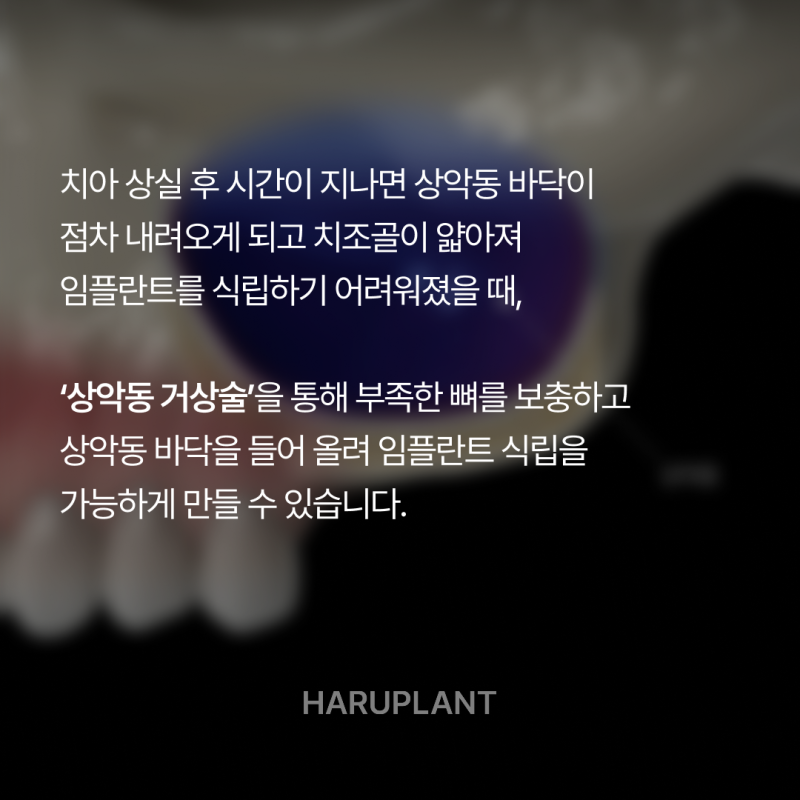
When an upper molar is lost, the surrounding jawbone gradually resorbs over time. In addition, as the floor of the maxillary sinus expands downward, the height of the bone available for placing an implant in the upper molar region becomes increasingly insufficient.
If an implant is forcefully placed in this condition, the fixture—acting as the artificial root—cannot be securely anchored.
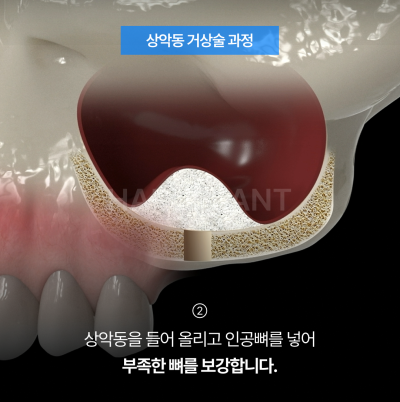
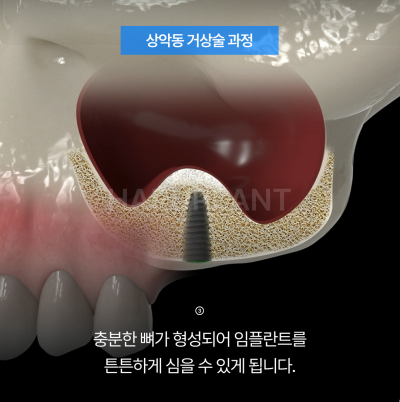
In such cases, it may be necessary to carefully elevate the floor of the maxillary sinus and place bone graft material in the space beneath it to create a solid foundation for the implant. In short, a sinus lift refers to the process of elevating the lowered maxillary sinus floor to secure room for bone grafting, establishing the necessary foundation for upper molar implant placement.
Depending on the amount of remaining bone, distance to the sinus, and the extent of bone grafting required, this procedure is often classified as a complex, advanced implant surgery.
Types of Sinus Lifts Depending on Bone Condition
There is more than just one way to perform a sinus lift.
Depending mainly on how much jawbone remains, sinus lifts are broadly divided into two types:
The crestal (vertical) approach and the lateral window approach.
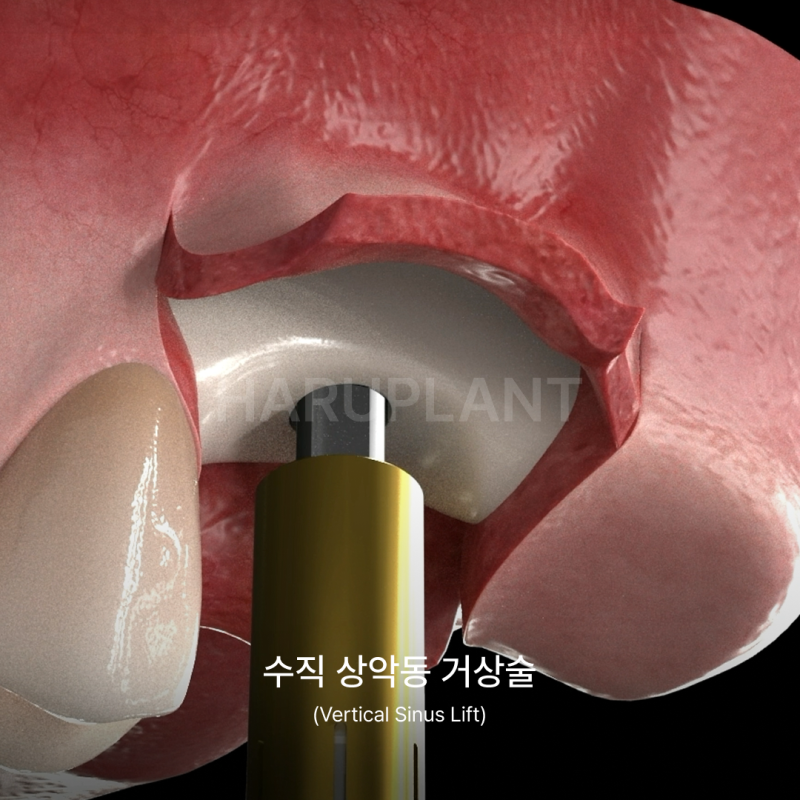
The crestal approach is considered when bone height is only slightly insufficient. In this method, the sinus membrane is gently lifted through the site where the implant will be placed, and bone graft material is packed into the space. The incision area is relatively small, making it suitable when bone loss is minimal.
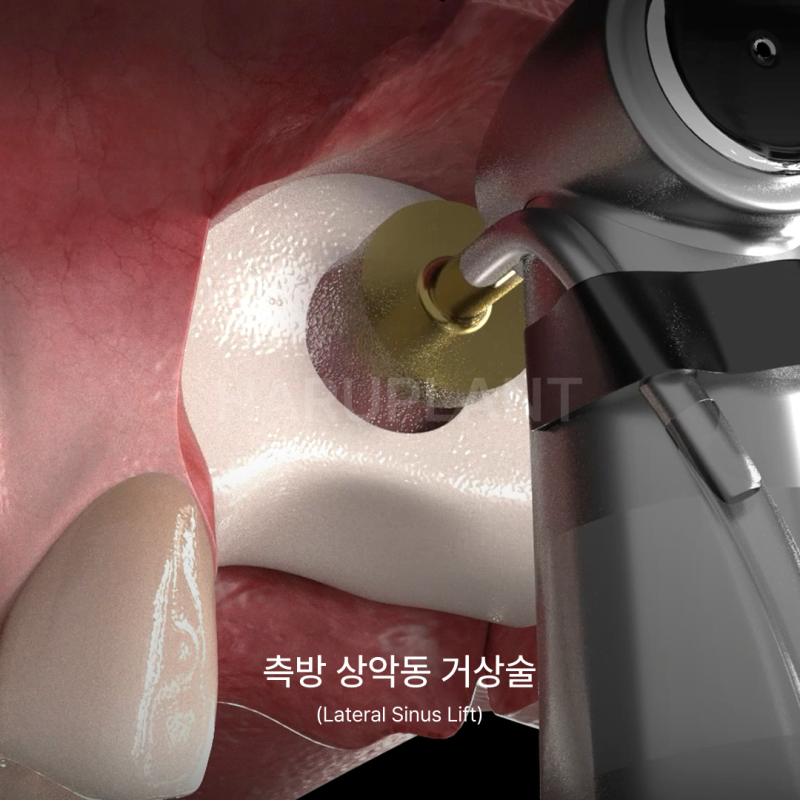
The lateral window approach is considered when there is a severe lack of jawbone or when extensive bone grafting is needed. As the name implies, it accesses the area from the side of the jawbone, creating a small window in the lateral wall. The sinus membrane is then carefully lifted, and bone graft material is placed into the space to restore bone height.
Which sinus lift technique is suitable is determined after thoroughly evaluating the remaining bone height, the required graft volume, and the planned implant placement site.
Why Upper Molar Implants Are Classified as Advanced, High-Difficulty Cases
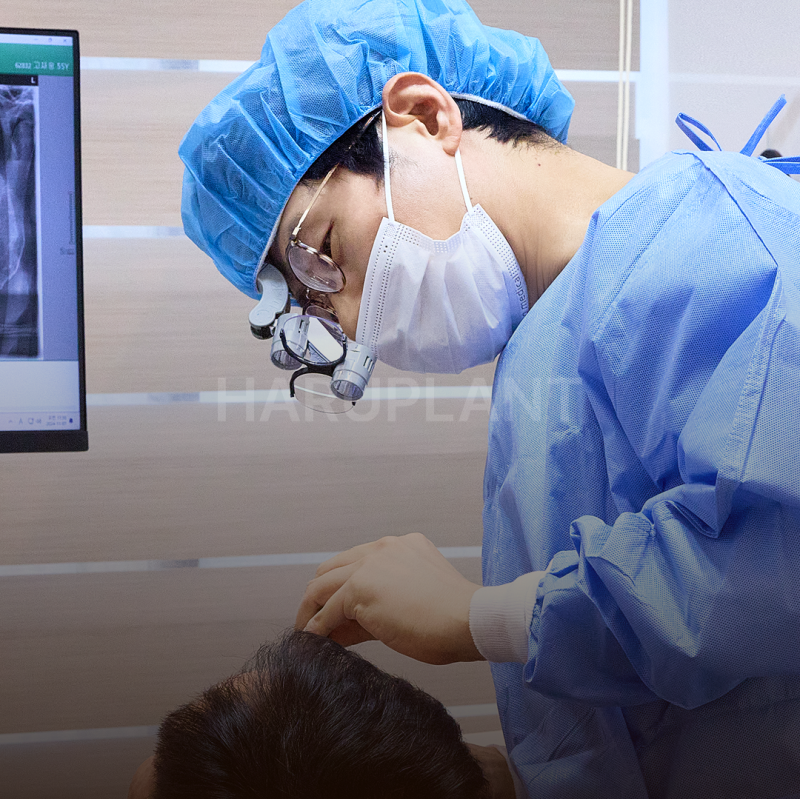
Upper molar dental implants are classified as high-difficulty procedures not simply because a sinus lift is required.
It is because various factors must be considered comprehensively, including the bone loss after tooth extraction, the pneumatization (downward descent) of the sinus floor, the risk of sinus membrane perforation, and the heavy chewing forces applied to the molars.
Therefore, rather than merely assessing whether a bone graft is needed, clinicians must plan the bone height, width, placement angle, and the final prosthesis position simultaneously to design a treatment that withstands real-life chewing stresses without issues.
Haruplant Dental Clinic’s 3D Precision Diagnostic System
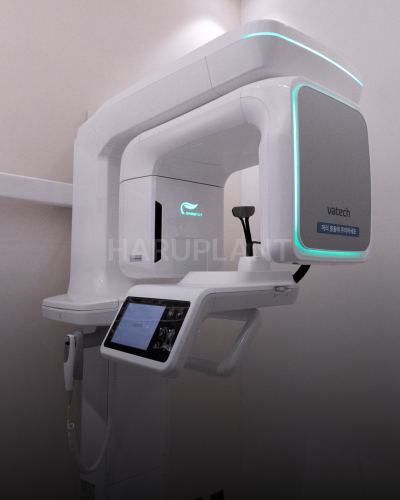
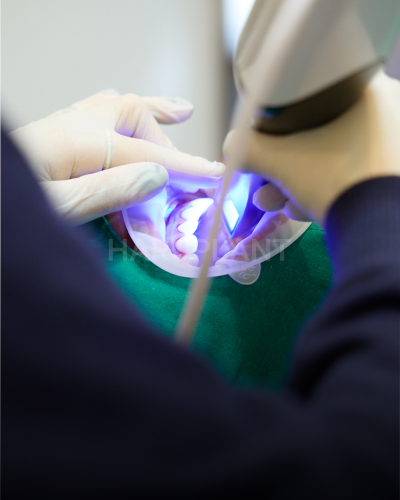
We pay close attention starting from the diagnostic stage to ensure safe and stable sinus lift procedures.
To thoroughly check each patient’s oral condition,
we use state-of-the-art 3D dental CT scans to examine the location of the maxillary sinus, the height of the remaining alveolar bone, and the required bone graft volume in three dimensions. In addition, 3D intraoral scanners are utilized to determine the optimal implant placement trajectory and how the final restoration will interlock in the bite.
Once you understand the definition and types of sinus lift procedures, it becomes clear why upper molar implants require more meticulous diagnostics.
Even for the same upper molar position, the required sinus lift approach can differ depending on the remaining bone height and the health of the maxillary sinus.
If you are considering an upper molar implant, evaluating your current bone condition and sinus position is the essential first step. For complex implants, initial diagnostics must assess surgical feasibility, bone grafting scope, and prosthetic design together.
For dental implants, trust Haruplant Dental Clinic at Gangnam Station.

Frequently Asked Questions
What is a sinus lift?
It is a surgical procedure that elevates the dropped maxillary sinus floor to create space for a bone graft. When the upper jawbone has resorbed and cannot stably support an implant fixture, the sinus floor is carefully lifted to secure the necessary bone height for implant placement.
What are the types of sinus lifts?
They are primarily divided into two approaches: the crestal (vertical) approach and the lateral approach. When alveolar bone height is only slightly insufficient, the less invasive crestal approach is considered. When there is severe bone deficiency or an extensive graft is required, the lateral window approach—accessing through a window on the side wall of the jawbone—is performed.
Why are upper molar dental implants considered high-difficulty?
Because clinicians must manage both the delicate risk of sinus membrane perforation and heavy masticatory (chewing) forces. Upper molars involve bone resorption, sinus descent, precise insertion angles, and strict requirements for bone height and width, making accurate treatment planning and placement highly complex.
How is the specific sinus lift method determined?
It is decided based on a comprehensive assessment of the remaining bone height and the necessary graft volume. Using advanced diagnostic tools such as 3D dental CT and 3D intraoral scanners, clinicians analyze the patient's sinus anatomy and bone volume in three dimensions to select the most suitable approach.