2026-10-01
All-on-X Implants: Why Consider Them Even If You Were Told Full-Mouth Implants Aren't Possible?
Discover why All-on-X implants offer a safe, reliable full-arch restoration by utilizing remaining jawbone, even for patients told conventional implants are impossible due to bone loss or nerve proximity.
All-on-X Implants: Why consider them even when told full-mouth dental implants aren't possible?
When looking into full-mouth dental implants,
have you ever been told, "You lack sufficient jawbone," "The nerve is too close, so you need to visit a university hospital," or "You need extensive bone grafting"?
Hearing this can feel overwhelming and leave you feeling lost.
This is especially true if you have used dentures for a long time or have lived with missing teeth for years, and are now considering full-mouth implants due to ongoing discomfort.
In such cases, instead of giving up on treatment or recklessly proceeding with conventional full-mouth implants,
it is worth checking whether there is a way to safely proceed by utilizing your remaining bone.
All-on-X dental implants are an effective treatment option to consider in these circumstances.
First, to understand All-on-X implants more accurately,
it helps to understand why difficult implant placement situations arise in the first place.
Here are representative cases where conventional full-mouth implant placement becomes challenging.
Insufficient jawbone restricts placement sites

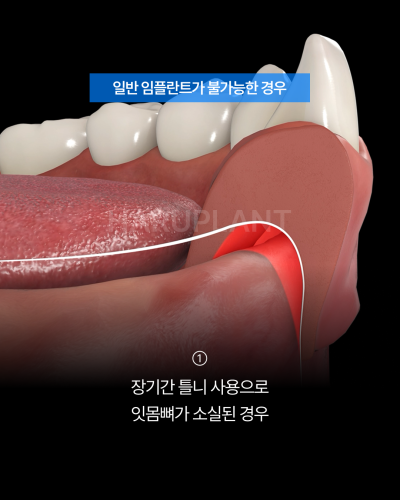
When teeth are lost, the surrounding jawbone gradually undergoes resorption because it no longer performs its primary function of supporting teeth.
In particular, if you have worn dentures for a long time, the jawbone likely received insufficient stimulation, making the alveolar bone quite thin.
If substantial jawbone resorption has already progressed when you finally consider dental implants,
placing implants on such a weakened foundation is not easy.
Forcibly placing fixtures—which act as artificial tooth roots—into insufficient jawbone can lead to mobility or complete failure of the implants.
When jawbone volume is deficient, bone grafting is typically performed.
However, as mentioned, if bone loss is severe or if adequate bone fails to form even after bone grafting, patients may be told that treatment is difficult.
Furthermore, in elderly patients or those with underlying systemic conditions, the surgical burden can be high, leading dentists to advise against conventional full-mouth implant treatment.
The mandibular nerve and maxillary sinus must be verified
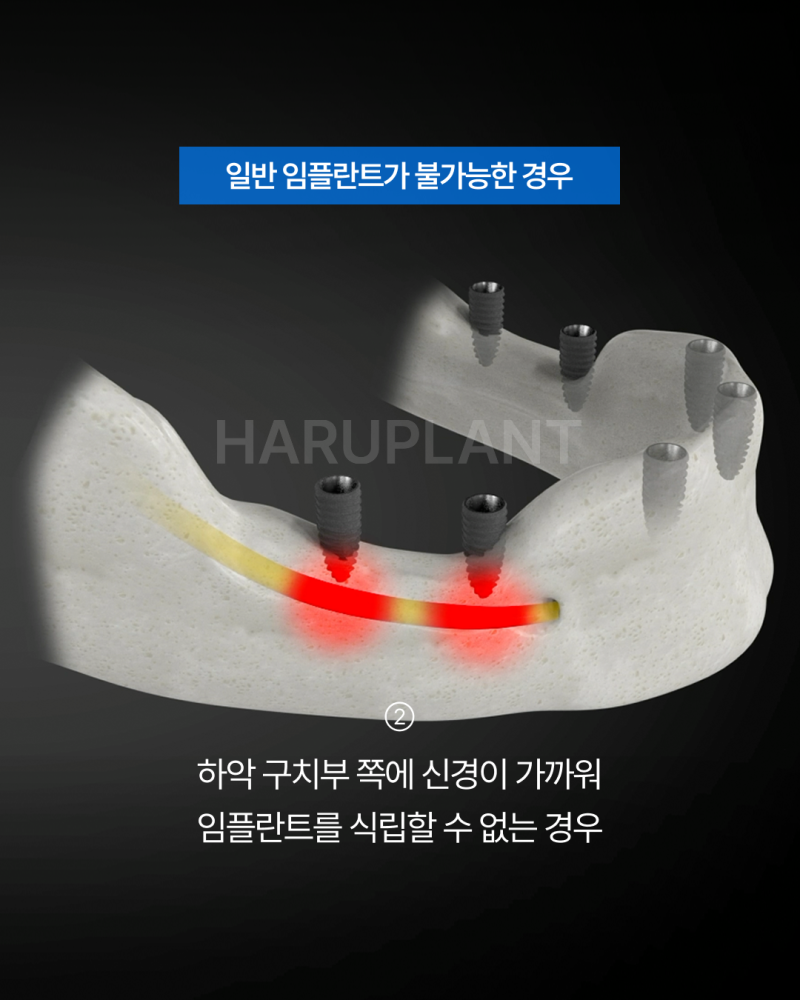
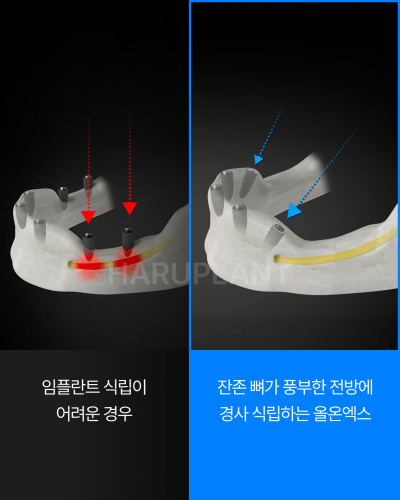
Another common challenge is when the inferior alveolar nerve is positioned within just a few millimeters of the prospective implant site.
A critical nerve pathway runs through the lower molar area.
If the ideal site required to withstand biting forces is too close to or overlaps with this nerve, implant placement becomes significantly challenging.
This situation occurs even more frequently when bone height and depth are constrained due to bone resorption.
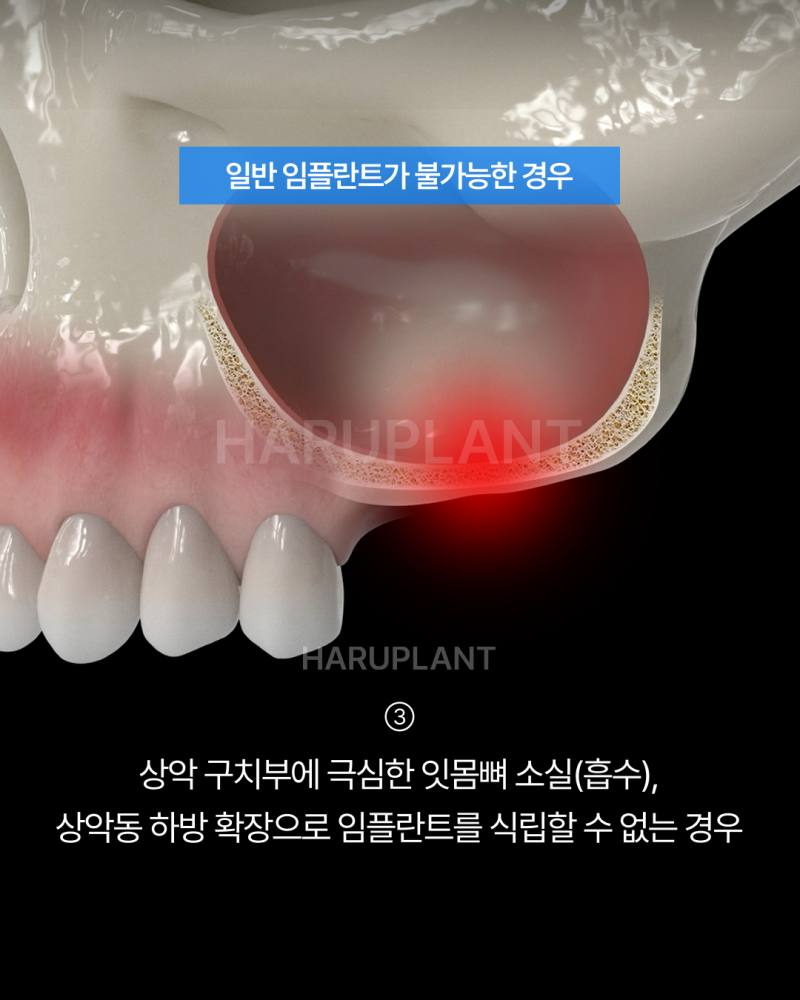
Difficult placement scenarios also occur in the upper jaw.
Above the upper molars, adjacent to the nose, lies an empty air-filled space called the maxillary sinus. Over time following tooth loss, the floor of the maxillary sinus tends to pneumatize and descend.
This is a major reason why the alveolar bone in the upper jaw becomes thin.
When implant placement is compromised by the maxillary sinus,
a sinus lift and bone grafting must be performed.
However, as in the cases discussed earlier, extensive bone grafting can place a significant burden on the patient.
The All-on-X approach: Utilizing remaining bone

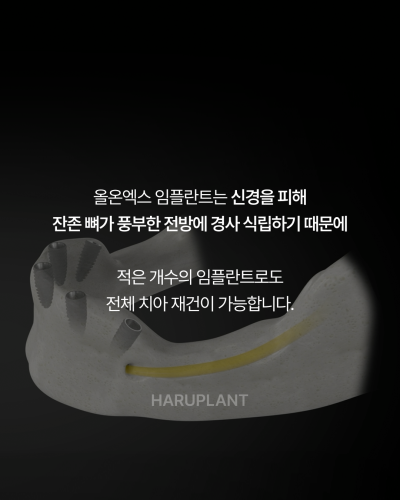
All-on-X dental implants address substantial bone loss or surgical concerns
by utilizing the anterior region where residual bone is relatively abundant,
restoring the entire dental arch with a minimal number of implants.
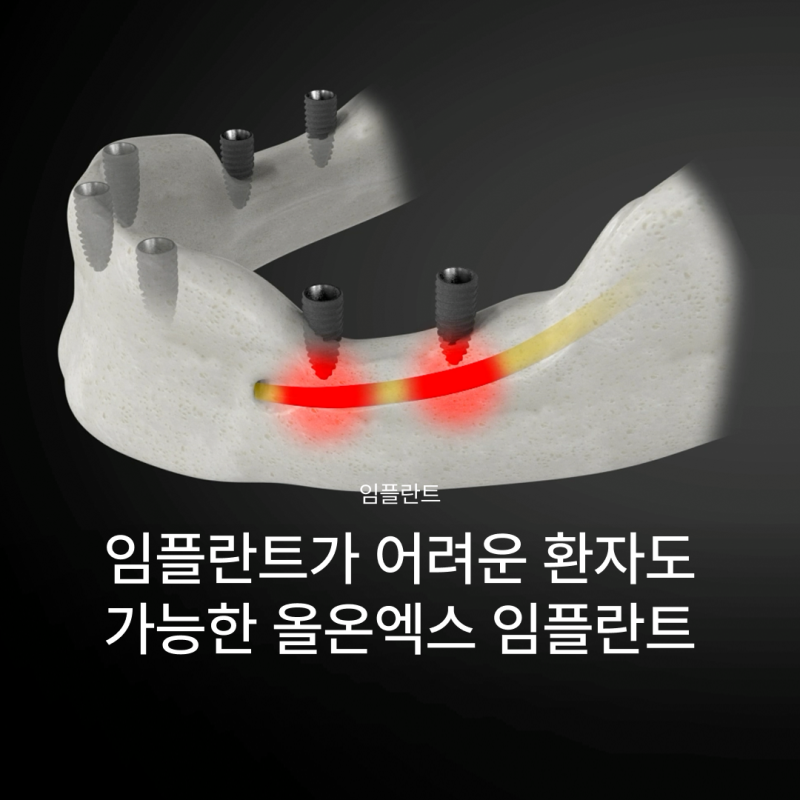
By tilting the fixtures placed in the anterior area, we can bypass the inferior alveolar nerve and the maxillary sinus.
Because this treatment is engineered to support a full-arch prosthesis with fewer implants, it reduces the need for extensive bone grafting and allows treatment tailored to each patient's specific oral condition.
Fewer implants require more precise diagnosis and engineering
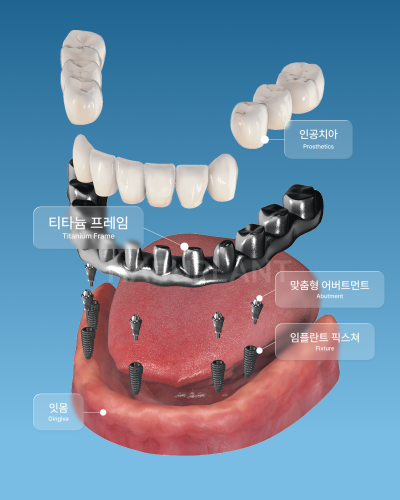
All-on-X typically uses around 5 to 6 implants to support a complete arch of teeth.
Compared to conventional full-arch fixed implant restorations that require placing 6 to 10 implants, All-on-X requires relatively fewer fixtures.
All the replacement teeth are connected to a titanium framework that attaches directly to the implant fixtures.
Consequently, the placement location, angulation, and occlusal load distribution of the prosthesis must be calculated with extreme precision.
All-on-X Implants at Haruplant Dental Clinic
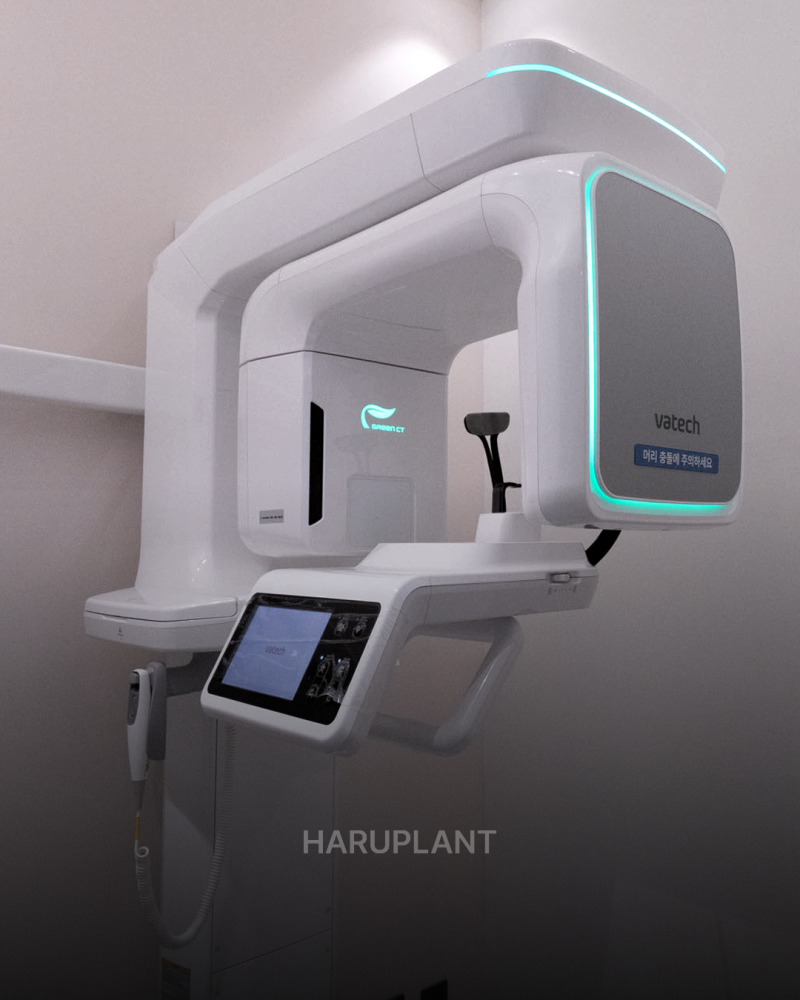
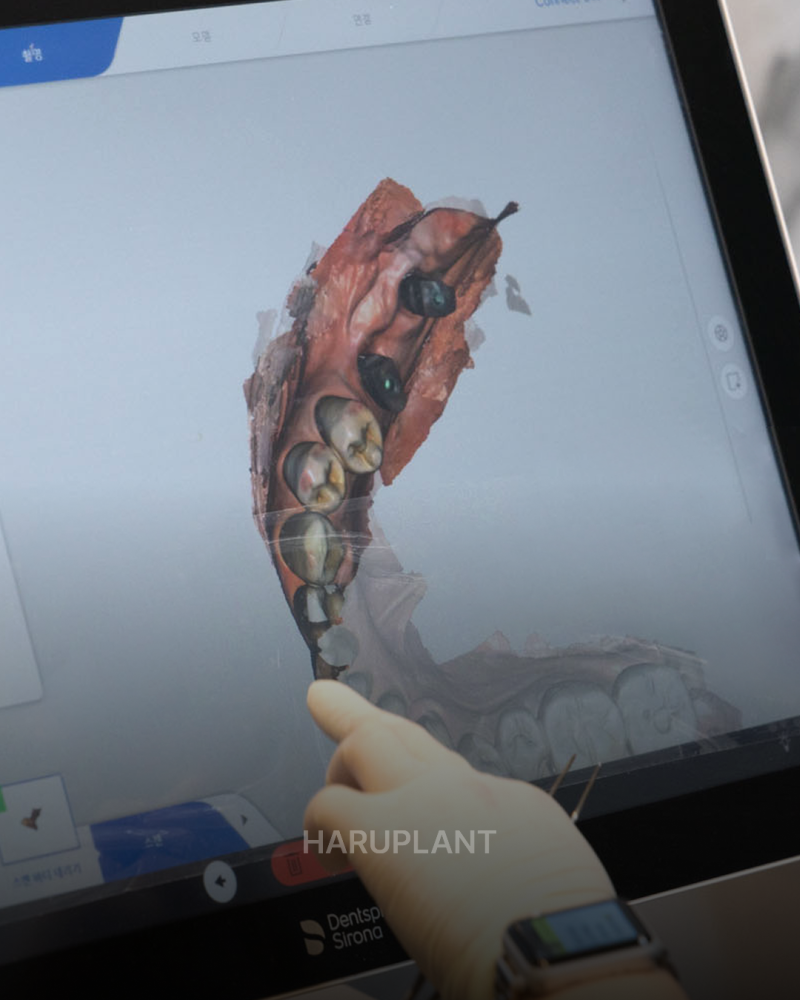
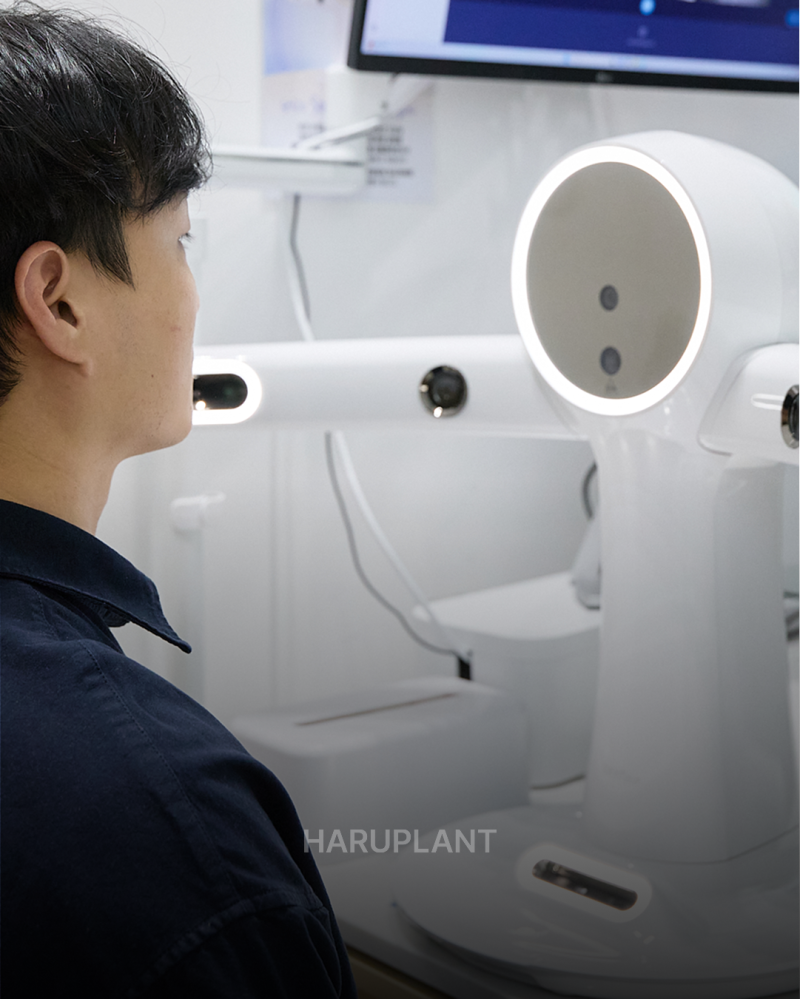
During this process, Haruplant Dental Clinic does not merely assess the jawbone and nerve positions.
Because this treatment reconstructs an entire arch of teeth, we meticulously evaluate bite alignment, prosthetic aesthetics, and lip and facial proportions to design the most comfortable and stable outcome for each patient.
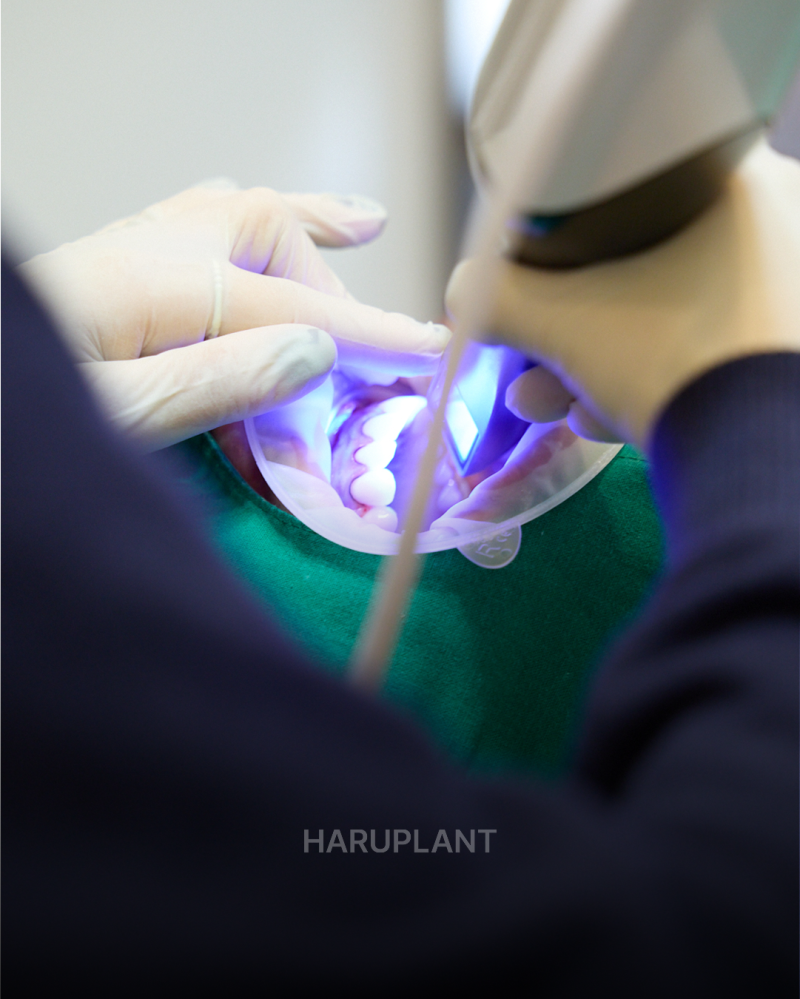
During diagnosis, we utilize advanced 3D CT imaging to thoroughly evaluate bone volume, nerve pathways, and sinus positions. We capture complex oral structures as comprehensive digital data using 3D intraoral scanners. In addition, we incorporate 3D facial scanners to analyze facial midline alignment, overall facial proportions, and dental occlusion.
This consolidated digital data is seamlessly transmitted to our on-site digital dental laboratory for custom fabrication. At Haruplant Digital Lab—our specialized, in-house digital laboratory—we fabricate temporary and final prostheses, as well as custom abutments and titanium frameworks, tailored precisely to each patient's digital oral data.
Being told that full-mouth implants are difficult does not mean you are out of options. Even if bone is deficient in conventional placement zones or close to anatomical structures like nerves and sinuses, alternative solutions can be found by evaluating how best to utilize your remaining bone.
All-on-X implants support a full-arch prosthesis using a minimal number of implants placed in areas with sound remaining bone. If you have been told that conventional implants are difficult but still need tooth replacement, exploring whether All-on-X is suitable for you can provide a reliable path forward.
We hope this information helps you make an informed decision.
For dental implants, trust Haruplant Dental Clinic at Gangnam Station.

Frequently Asked Questions
Can I get All-on-X implants even with severe bone loss?
Yes, it is possible. All-on-X implants utilize the anterior jaw area where bone density and volume are typically better preserved. This avoids the need for extensive bone grafting and reduces surgical burden, making treatment feasible even with notable bone resorption.
How does All-on-X prevent nerve damage and sinus perforation?
Nerve and sinus complications are avoided by angling the fixtures strategically in the anterior bone. By precisely calculating placement angles away from critical anatomical structures—such as the inferior alveolar nerve in the lower jaw and the maxillary sinus in the upper jaw—treatment safety is maximized.
How does All-on-X differ from conventional full-mouth implants in the number of fixtures?
All-on-X requires fewer implants. While conventional full-arch fixed reconstructions typically require 6 to 10 fixtures, All-on-X generally uses around 5 to 6 implants connected via a rigid titanium framework to firmly support a complete dental arch.
Why is precision digital diagnosis crucial for All-on-X procedures?
Because fewer implants must evenly distribute full chewing forces across the entire arch, calculating accurate fixture positions and angulations is critical. Precise digital evaluation using 3D CT, intraoral scanners, and facial scanners is essential to achieve harmonious occlusion, optimal aesthetics, and long-term durability.