2026-11-12
Implants Can't Get Cavities, But Here's What Really Matters for Implant Care!
Implants can't develop cavities, but they still need careful daily care. Learn why peri-implantitis is the bigger risk and how to keep them healthy for years.
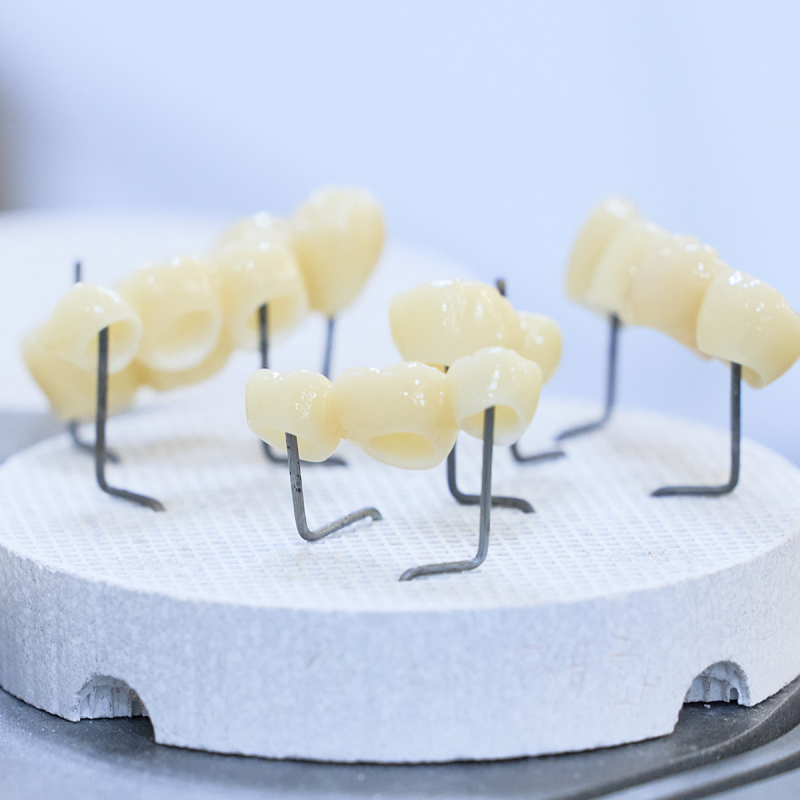
Hello.
Welcome to Haruplant Dental Clinic, where every day begins comfortably.
Many people feel little discomfort right after losing a tooth. Over time, however, they begin to experience difficulties with chewing and pronunciation.

After deciding on an implant and completing treatment, many patients are often unfamiliar with the oral hygiene care we explain to them. This is probably because they have gone without teeth for so long that the idea of caring for their oral hygiene again feels new.
Some patients also ask, “Implants don’t get cavities, so do I really need to take care of them?” It’s true that implants never decay like natural teeth, because they are made of artificial materials that are not affected by cavity-causing bacteria.
However, that doesn’t mean implants need no care. Although implants may carry no risk of cavities, they can actually require more thorough care than natural teeth, because the gums and jawbone around them are still affected by bacteria.
Today, we’ll clear up the common misconception that “since implants don’t get cavities, there’s no need for care,” and look at how to care for them properly.
Do you really not have to worry about implant cavities?
To get straight to the point, implants do not develop cavities.
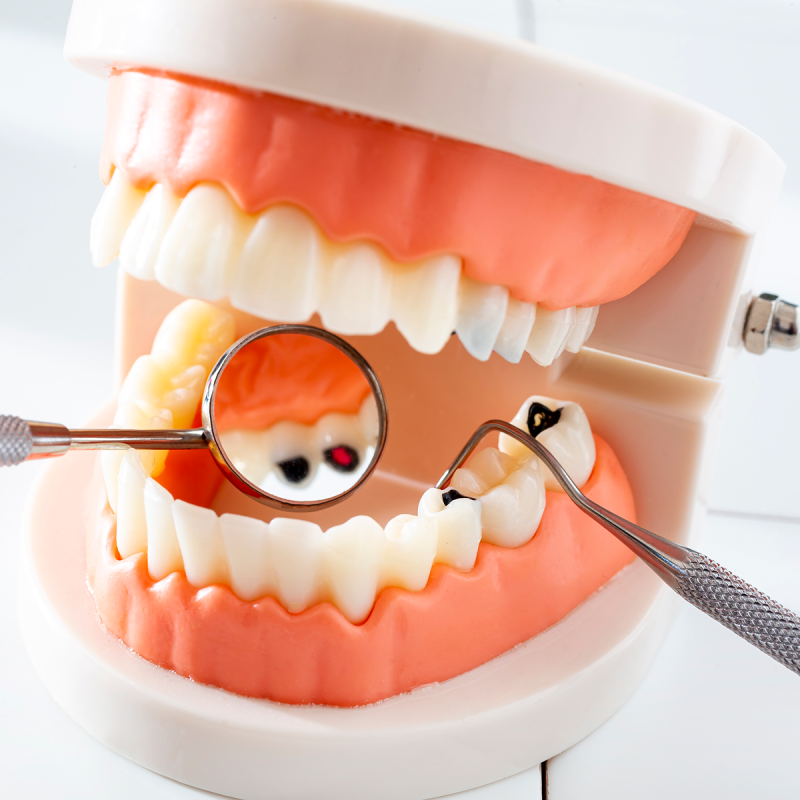
Cavities develop when cavity-causing bacteria in the mouth break down food and produce acid. This acid erodes the enamel, the protective layer on the surface of the tooth.
That is why natural teeth need consistent hygiene care to prevent cavities.
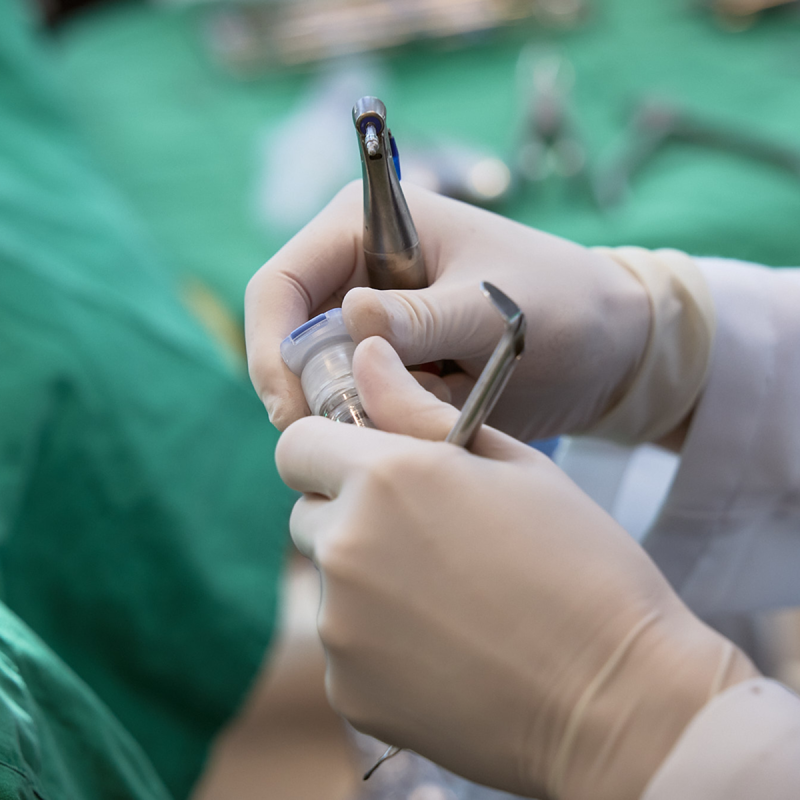
Implants, however, have artificial roots made of titanium, a metal, and the crowns placed on top are made of ceramic, zirconia, or other metal materials. Because of this, cavity-causing bacteria cannot easily penetrate or corrode them.
So can you live without worrying about implant cavities after treatment? Not quite.
Although implants themselves are free from cavities, gum disease can still occur.
Peri-implantitis is a bigger threat than implant cavities
Compared with natural teeth, implants face a relatively lower risk of cavities. That does not mean they need no care, though. Because implants are made of artificial materials, cavity-causing bacteria cannot penetrate them. However, they can develop peri-implantitis, an inflammatory gum disease.
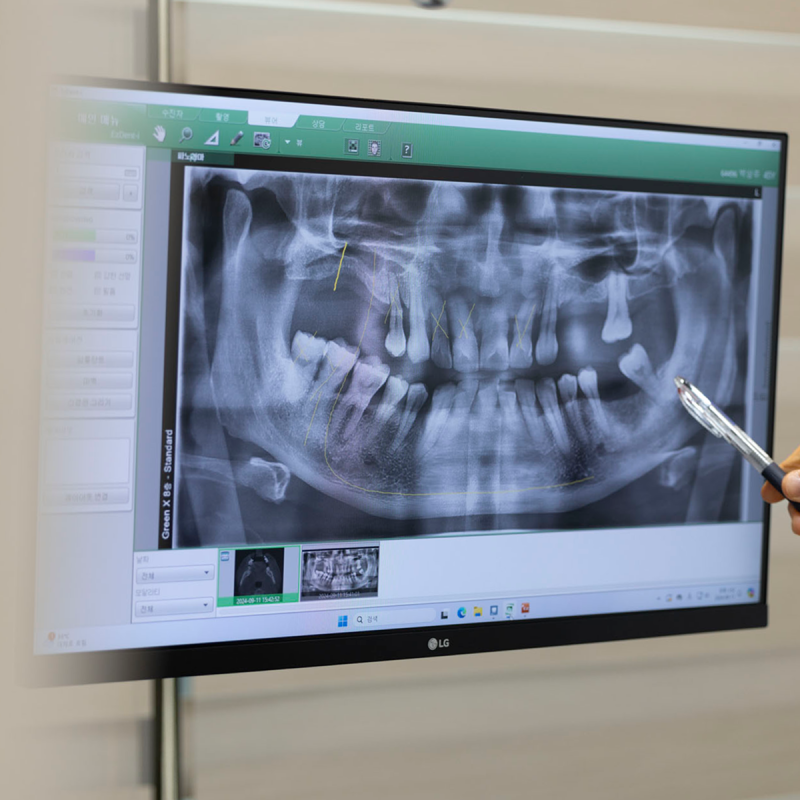
There is a tiny gap between the implant and the gum. When food debris and bacteria accumulate in this gap, plaque forms, and over time it hardens into tartar.
In the early stages, this may cause only mild symptoms such as gum swelling or slight bleeding. Without proper care, however, it can progress into peri-implantitis, which can eventually damage the jawbone as well.
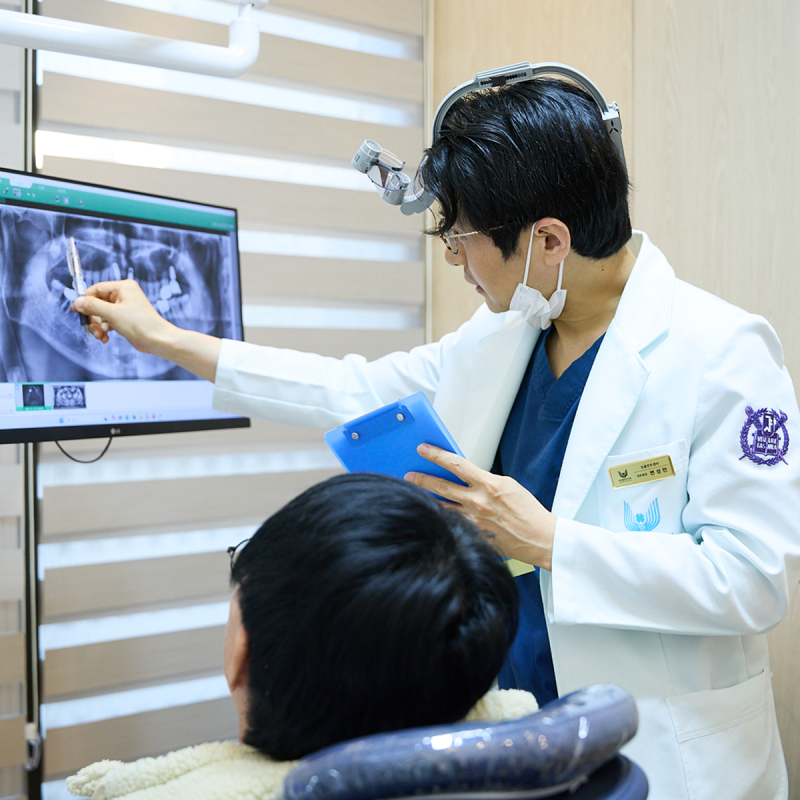
Implants lack the periodontal ligament that protects natural teeth, so inflammation can spread quickly and deeply. The problem is that implants have no nerves, so there is little pain, and problems are often noticed late.
As peri-implantitis worsens, the gums may bleed, pus may form, and the implant may become loose. In severe cases, re-surgery may be required.
Even without cavity risk, meticulous care is essential
Although implants have no cavity risk, thorough oral care is essential to prevent inflammation and keep implants healthy for years. Implants may be resistant to cavities, but without proper care, they can become vulnerable to inflammation, which may lead to conditions such as peri-implantitis.
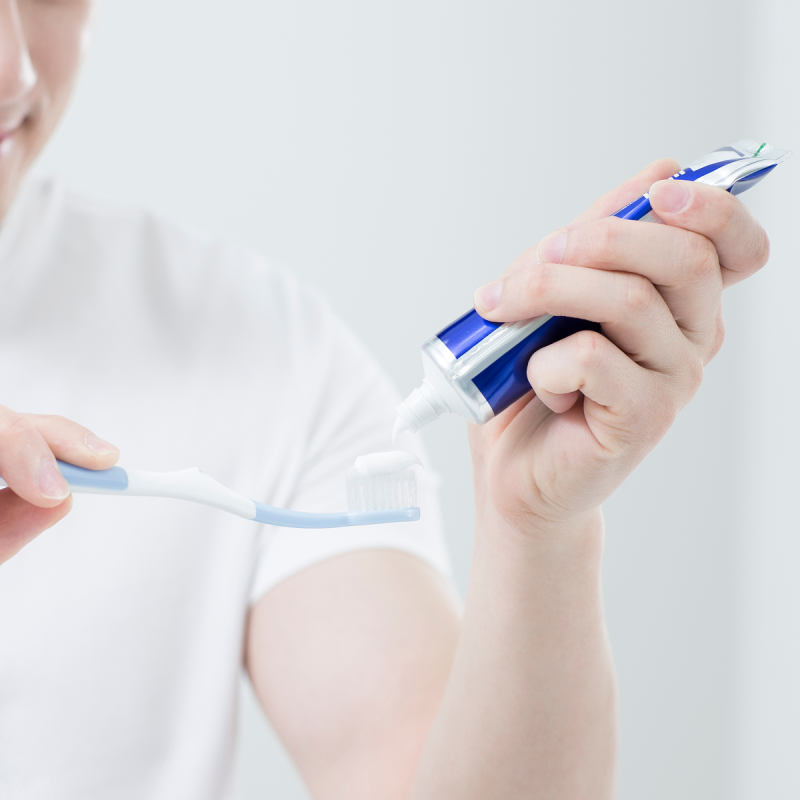
So when brushing, don’t rely on a regular toothbrush alone. It’s also a good idea to use interdental brushes, floss, and a water flosser. The key is to thoroughly remove food debris and bacteria trapped between the implant and the gum, as well as between the implant and neighboring teeth.
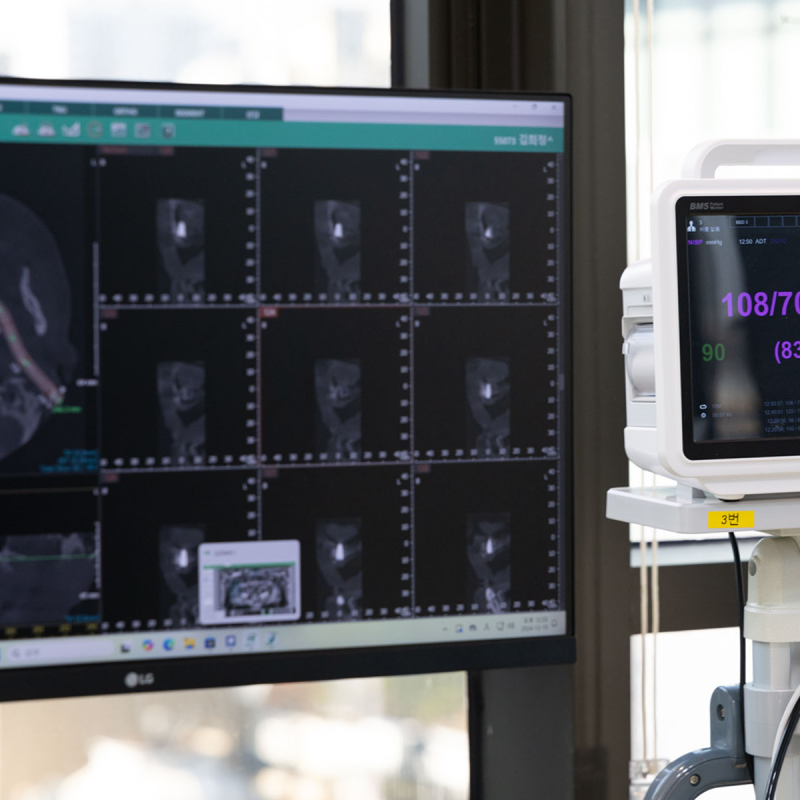
In addition, regular checkups every 3 to 6 months are very important. Changes in the gums and surrounding jawbone are not easy to see, but if they are detected early through X-rays and other imaging, prevention may be possible with simple scaling or minor surgical treatment.
Ultimately, the success of an implant depends more on the patient’s own care habits than on the treatment itself.
In this article, we looked at common misconceptions about implant cavities and how to properly care for implants.
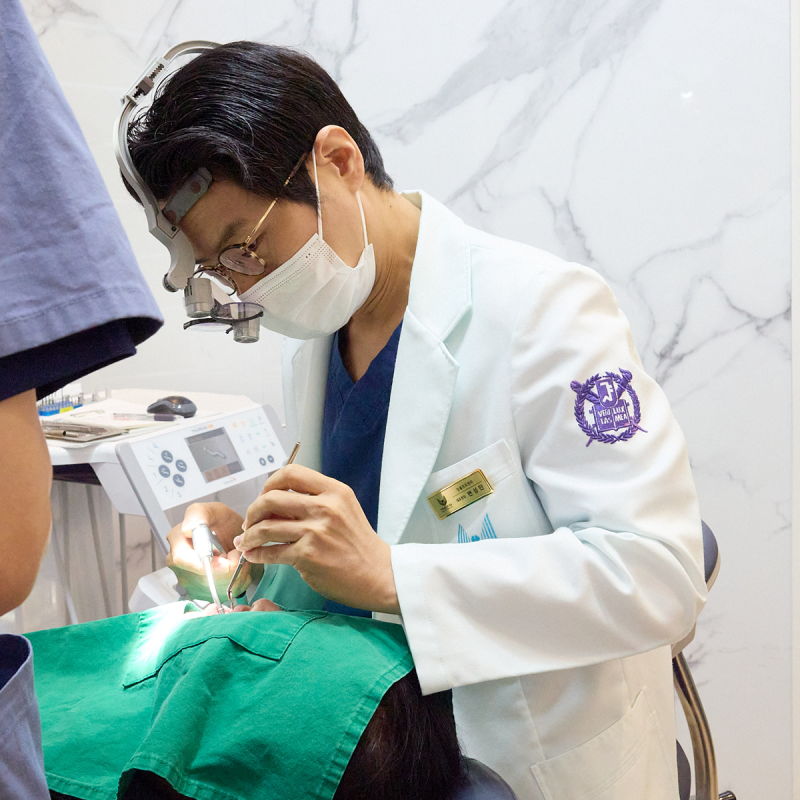
Haruplant Dental Clinic is committed to caring for your oral health long after your implant treatment is complete. To make it easier for you to visit for a checkup, we offer evening hours on Mondays, Tuesdays, and Thursdays, and weekend appointments are available on Saturdays and Sundays.
Find the right treatment solution through a professional consultation at Haruplant Dental Clinic.
If you have any questions about implant cavities, please feel free to contact us anytime.
We promise an excellent treatment experience through personalized, one-on-one care.

Frequently Asked Questions
Do implants get cavities?
Correct, implants do not develop cavities like natural teeth. They are made of artificial materials such as titanium, which are not affected by cavity-causing bacteria. However, the surrounding gums and jawbone can still be affected by bacteria.
Do implants still need care?
Yes. Although implants can’t get cavities, food debris and bacteria that build up between the implant and the gum form plaque, which hardens into tartar over time. Insufficient care can lead to peri-implantitis, a form of gum disease.
What are the symptoms of peri-implantitis?
In the early stages, you may notice mild symptoms such as gum swelling or bleeding. As it worsens, the gums may bleed, pus may form, and the implant may become loose. In some cases, re-surgery may be needed. Because implants lack a periodontal ligament, inflammation can progress quickly. Since there are no nerves, there is little pain, so the problem is easy to notice late.
How should I care for my implants?
In addition to a regular toothbrush, it’s a good idea to use interdental brushes, floss, and a water flosser. The key is to thoroughly remove food debris and bacteria from between the implant and the gum, as well as from between the implant and adjacent teeth.
How often should I have implant checkups?
It’s recommended to visit your dentist every 3 to 6 months for a regular checkup. Changes in the gums and surrounding jawbone are not easy to see, but if they are caught early through X-rays and other tests, prevention may be possible with simple scaling or minor surgical treatment.