2026-10-20
Why Do Implant Treatment Periods and Implant Pain Vary? Recovery Benchmarks Explained Through Plasma Implants
Explains how osseointegration affects both implant treatment periods and implant pain, and how Haru Plant Dental's plasma implant approach aims to improve bone bonding and recovery.
Why Do Implant Treatment Periods and Implant Pain Vary? Recovery Benchmarks Explained Through Plasma Implants
Hello.
Welcome to Haru Plant Dental, where a comfortable daily life begins one day at a time.
When consulting with patients about implant treatment, the specific questions differ from person to person, but there are a few things nearly everyone wants to confirm.
How long the treatment period should be after the procedure,
the level of implant pain they will need to endure during recovery,
and how firmly the fixture placed in the bone can settle in.
There is one factor that commonly affects all three of these questions.
That factor is osseointegration, the process by which the implant bonds with the bone.
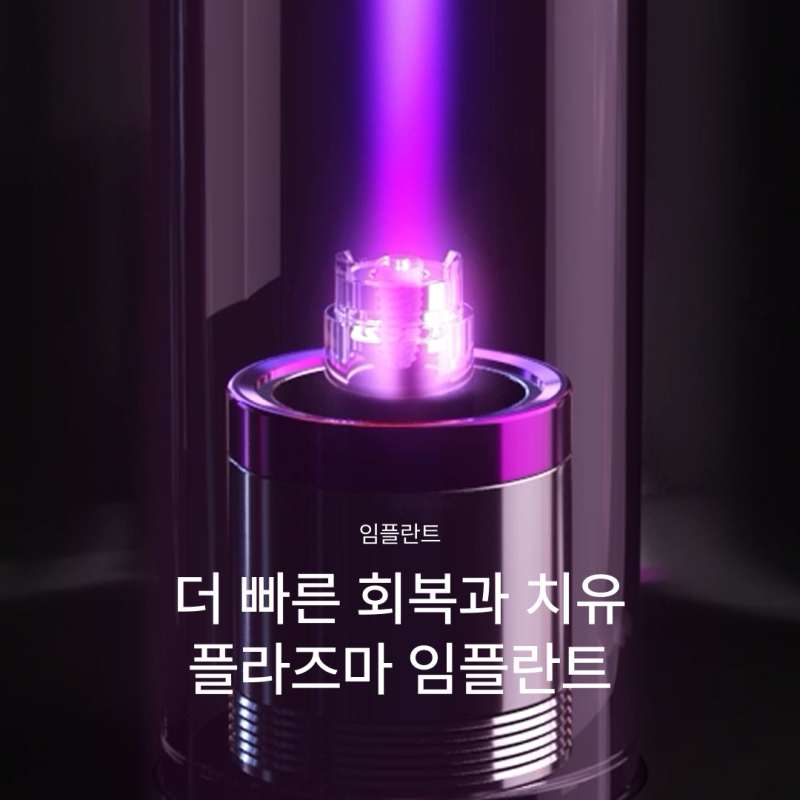
The technology Haru Plant Dental has chosen to improve the quality of this osseointegration is plasma.
Plasma is the fourth state of matter, following solid, liquid, and gas.
When sufficient energy is applied to gas molecules, electrons separate and the gas converts into an ionized state. The surface of the sun and lightning are both examples of this plasma state.
In dentistry, the cleaning power and surface-activating properties of plasma are used in implant processing. The core idea is simple.
Changing the implant surface environment itself to create conditions that allow better bonding with bone is the starting point of plasma implants.

There is one lesser-known fact.
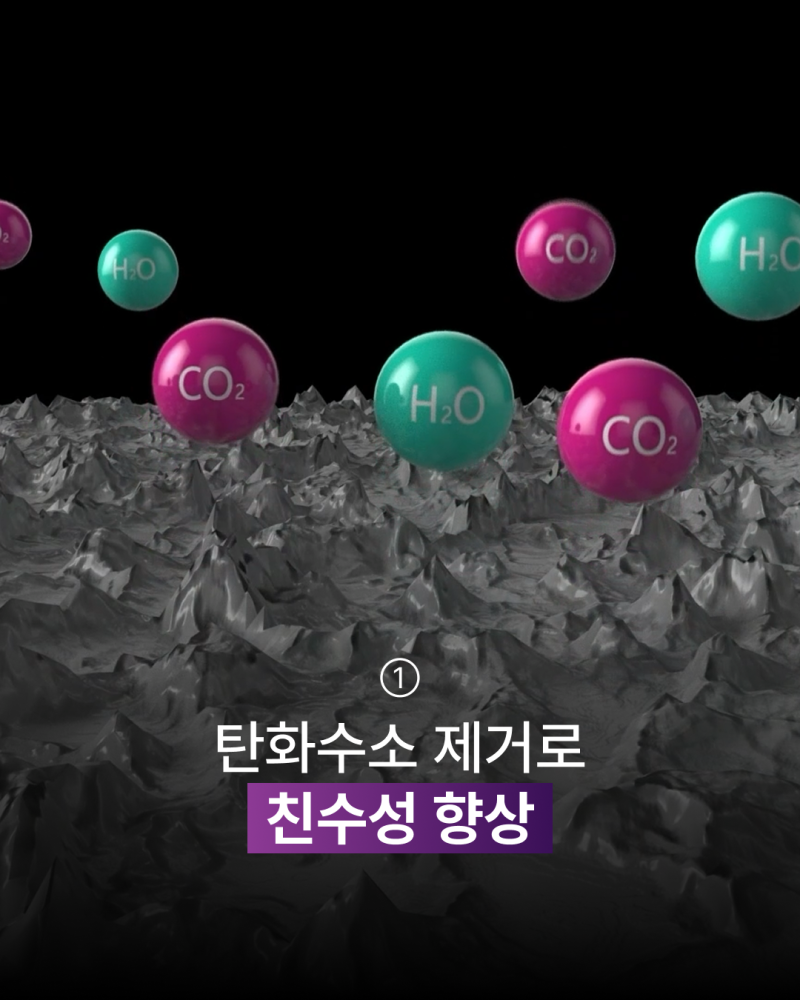
After manufacturing, implants pick up hydrocarbon-based contaminants on their surface during distribution.
This invisible contamination layer acts as a barrier to the bond between the jawbone and the implant surface, in other words, to osseointegration. Plasma implants remove these impurities while also increasing surface hydrophilicity, creating a state in which cells and proteins can attach more readily.
With higher initial stability and faster osseointegration, a shorter implant treatment period can be expected. Likewise, faster recovery and more stable placement can ease concerns about implant pain.
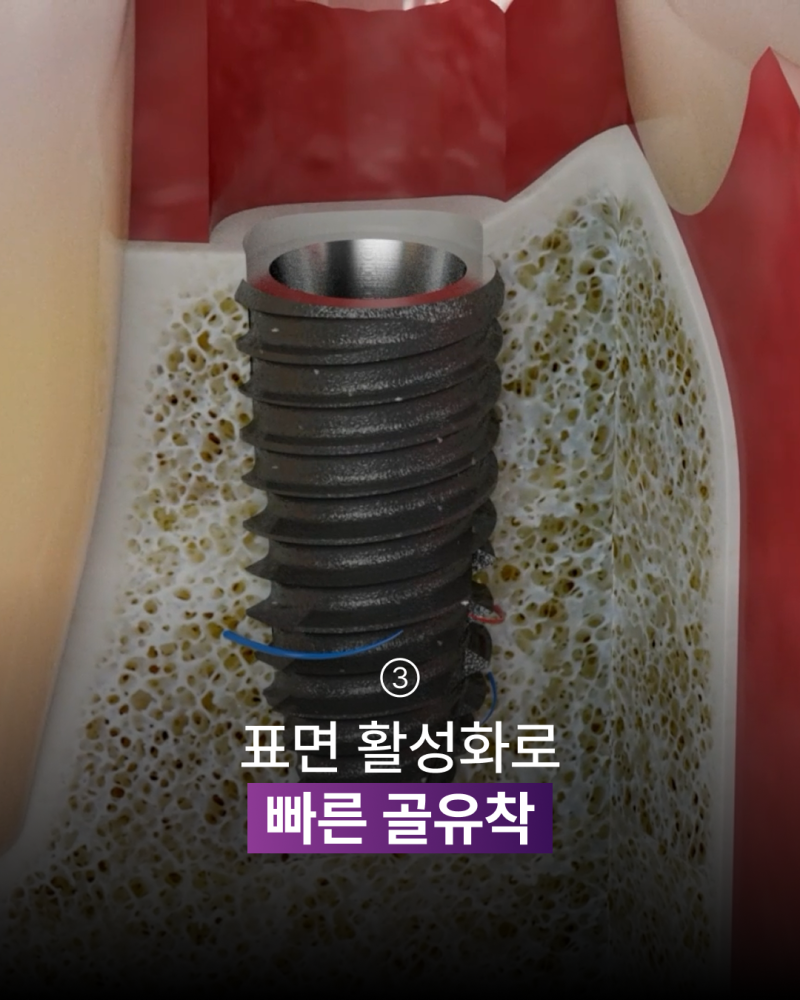
Osseointegration is the variable that determines the flow of the entire implant treatment.
How quickly and firmly the fixture settles into the bone determines when the next treatment step can begin, and it also determines the implant treatment period leading up to the final prosthesis.
How smoothly this process proceeds can also affect the outcome of the entire treatment.
If osseointegration is delayed or unstable, implant pain may last longer during recovery, and in some cases, it may lead to re-operation.
Plasma implants are a technology that addresses these starting conditions themselves.
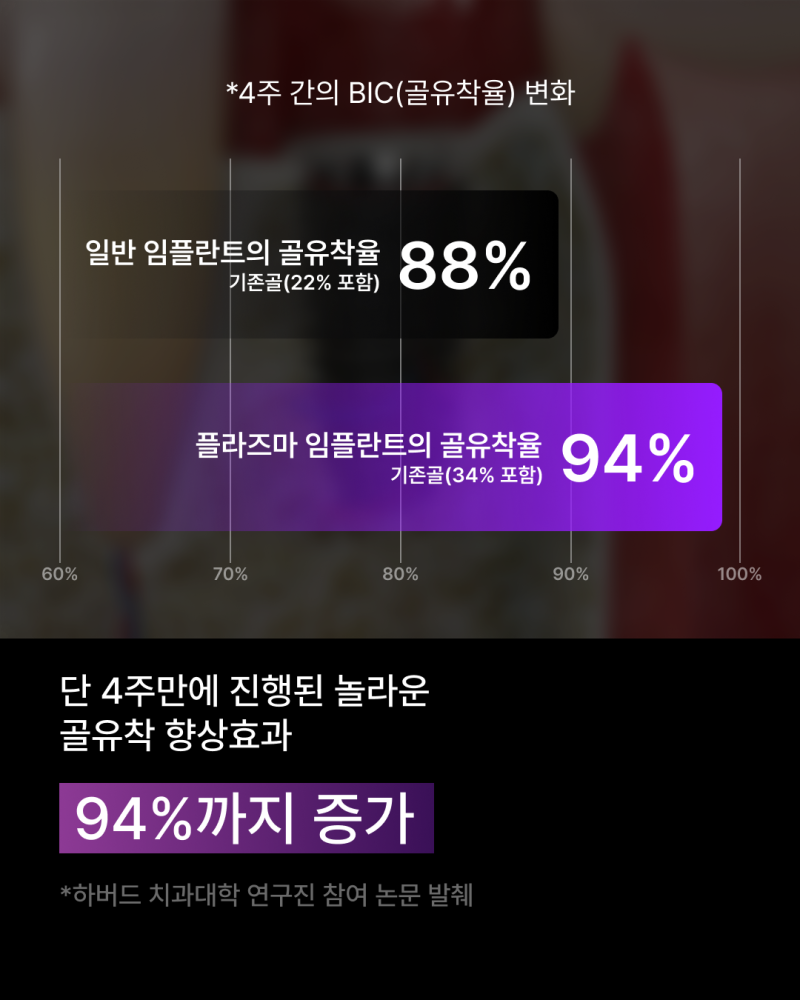
The characteristics of plasma implants are also supported by actual research data.
Researchers at the Harvard School of Dental Medicine have published findings that implants treated with plasma improve osseointegration. According to the study, plasma energy removes surface impurities and increases hydrophilicity, making implants more biocompatible; after placement, bone loss decreases while osseointegration is accelerated, which was found to result in a shorter implant treatment period.
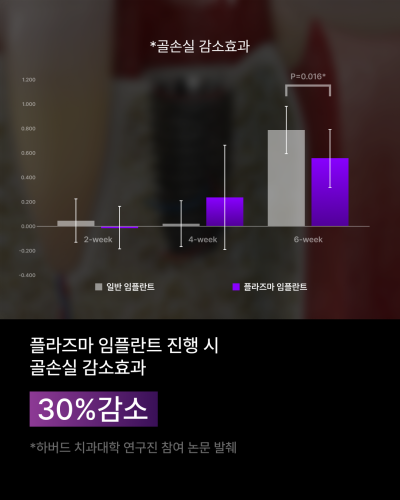
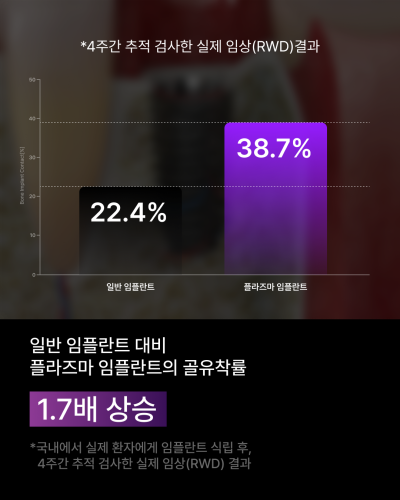
In addition, domestic clinical real-world data (RWD) from actual patients reported that the osseointegration rate of plasma implants was 1.7 times higher than conventional implants, bone loss was reduced by 30%, and the osseointegration-enhancing effect reached up to 94%.
As these figures show, plasma implants may be well suited to patients who want less implant pain burden and who expect a fast recovery and stable placement results.
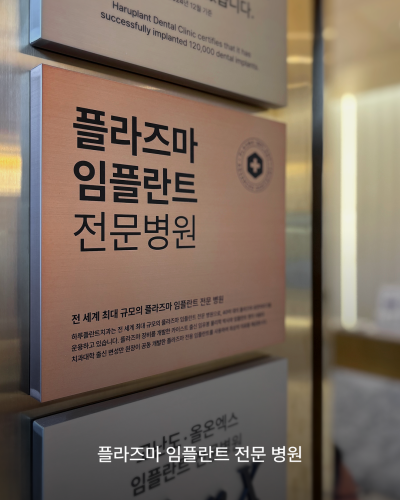
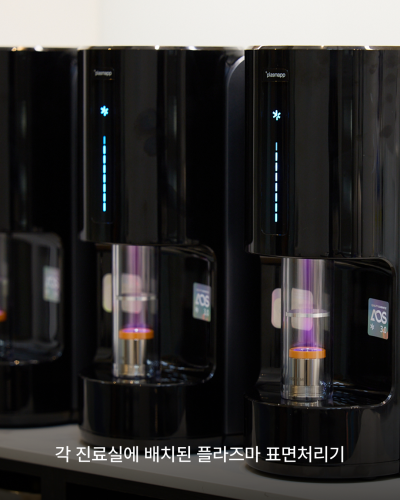
To ensure this technology is delivered at the same high level at every visit rather than as a one-time event,
Haru Plant Dental has designed a dedicated plasma clinic system.
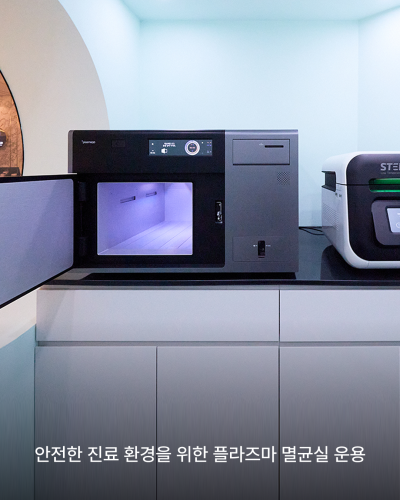
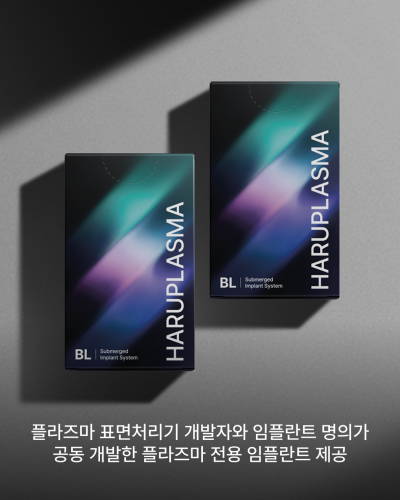
The clinic has installed 40 plasma surface treatment units, placing three to four in each treatment room, and operates a separate plasma sterilization room, where even precision instruments are managed within a low-temperature sterilization system.
On top of this, the clinic applies plasma-dedicated implants that it has developed in-house through joint development.
Surface treatment system, sterilization system, dedicated fixtures
The structure in which these three elements are connected as a single flow is what sets Haru Plant Dental apart.
Haru Plant Dental goes beyond simply owning equipment
and continually works on how to make the most of the equipment's strengths to achieve the desired results in every treatment.
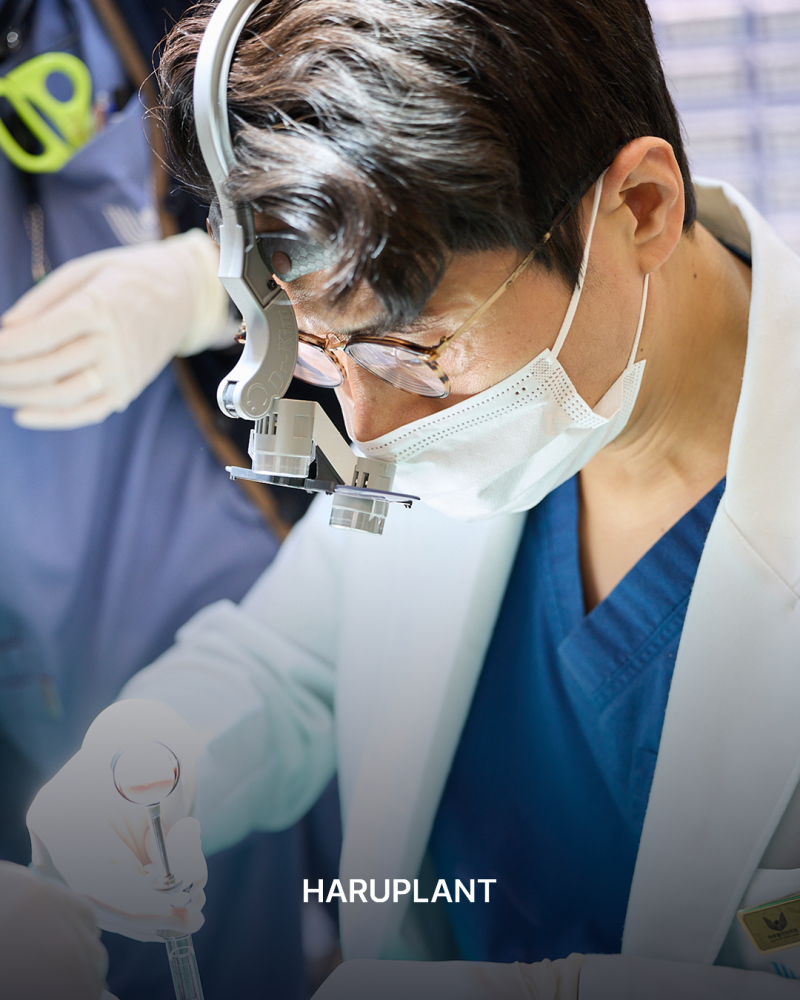
The completion point of implant treatment is not the moment surgery ends.
It is the entire process until the fixture firmly fuses with the bone and the abutment and prosthesis are placed, restoring actual chewing function.
Throughout this process, how much the implant treatment period is shortened and how much the burden of implant pain is reduced determine the quality of care that patients experience.
This is exactly why Haru Plant Dental has built and consistently maintains its plasma implant system.
More stable recovery, and results that last longer.
That is the standard Haru Plant Dental consistently pursues in implant treatment.
For implants, it's Haru Plant Dental near Gangnam Station.
This post contains medical information/advertising from Haru Plant Dental and was prepared in compliance with Article 56 of the Medical Service Act and its Enforcement Decree.
Treatment results may vary from person to person, and side effects such as bleeding and inflammation may occur after treatment. Please review precautions thoroughly through consultation with your medical team.
Frequently Asked Questions
Why do implant treatment periods and pain differ?
According to the article, the speed and stability of osseointegration affect both the treatment period and pain. It notes that if osseointegration is delayed or unstable, pain may last longer during recovery.
What is osseointegration?
Osseointegration refers to the process by which an implant fixture bonds with bone. The article explains that this process is a variable that determines the overall flow of treatment, and that it also influences when the next treatment step can begin and the time until the final prosthesis.
How do plasma implants work?
The article describes plasma treatment as a technology that alters the implant surface environment so it bonds better with bone. It explains that the process removes hydrocarbon-based impurities that adhere to the surface during distribution after manufacturing, and increases hydrophilicity so that cells and proteins attach more readily.
What do the research findings on plasma implants show?
The article cites research showing that plasma implants improve osseointegration. Based on a Harvard School of Dental Medicine study and domestic real-world clinical data (RWD), it presents figures including a 1.7-times higher osseointegration rate compared with conventional implants, a 30% reduction in bone loss, and an osseointegration improvement of up to 94%. The article also notes at the bottom that treatment results may vary between individuals.
Can bleeding or inflammation occur after treatment?
Yes. According to the note at the bottom of the article, side effects such as bleeding and inflammation may occur after treatment. Since treatment results vary from person to person, please review precautions thoroughly with your medical team.
When does implant treatment end?
According to the article, implant treatment is considered complete not at the end of surgery, but after the entire process in which the fixture firmly fuses with the bone and the abutment and prosthesis are placed to restore chewing function. The article explains that the timeline varies with the speed of osseointegration, and it does not specify exact numbers of days or months.