2026-11-13
Nosebleeds, Bruising, and Swelling After Sinus Lift Surgery: Are They Normal? Understanding Post-Surgery Symptoms
Nosebleeds, bruising, and swelling after sinus lift surgery are often normal. Learn which symptoms are typical and which warning signs mean you should see your dentist.

Hello,
This is Haru Plant Dental Clinic, where every day starts off comfortably.
Have you ever had a sudden nosebleed after sinus lift surgery, or noticed significant facial swelling and bruising?
Without accurate information, it's easy to worry, "Did something go wrong with the surgery?"
In most cases, the nosebleeds, swelling, and bruising that appear right after a sinus lift are natural reactions during the healing process.
However, abnormal symptoms that need attention can also develop during recovery. That's why it's helpful to distinguish between symptoms that may appear during healing and the warning signs of sinus lift complications that require a checkup.
Today, we'll walk you through the symptoms that may occur after a sinus lift.
What Is the Maxillary Sinus?
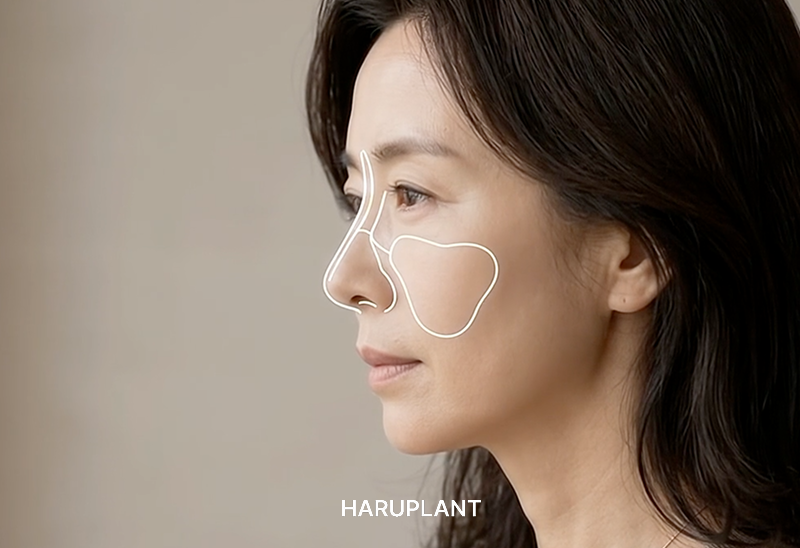
The maxillary sinus is an air-filled cavity located on either side of the nose, just inside the cheekbones. Simply put, it's like a small "air pocket" within the facial bones.
There is one on each side, located close to the root tips of the upper molars.
The maxillary sinus is one of several paranasal sinuses around the nose. These sinuses help reduce the weight of the facial bones and regulate the temperature and humidity of the air we breathe in.
It's not an area we usually think about, but dentists pay close attention to it when placing implants in the upper molar region.
If you've lost teeth near the upper molars, the alveolar bone can resorb over time, and the sinus can expand, leaving too little bone height to place an implant.
To secure an implant stably, sufficient height and thickness of alveolar bone is essential. If there isn't enough bone in the upper molar area, a sinus lift may be necessary. This procedure gently lifts the sinus membrane and fills the space with bone graft material.
Why Does a Nosebleed Occur After a Sinus Lift?


The maxillary sinus is connected to the nasal cavity, so in the early stages after surgery, a small amount of blood or blood-tinged nasal discharge may occur.
A mild nosebleed that typically appears 2 to 3 days after surgery can be observed during the healing process.
Since this can happen during recovery, there's no need to panic. However, be careful not to blow your nose forcefully. Pressure inside the nose can put strain on the surgical site.
Are Swelling and Bruising After a Sinus Lift Natural Reactions?

After implant surgery, the cheeks or the area under the eyes may swell and bruise. In most cases, this happens as the surrounding tissue stimulated during surgery heals, and it gradually subsides over time.
If swelling develops after a sinus lift, cold compresses are recommended for 5 days after surgery.
If you tend to bruise easily, bruising after a sinus lift may appear more readily, or it may cover a wider area and look darker.
Most bruises fade over time, so there's no need to be overly anxious.
When you're concerned about possible sinus lift complications, it's best to first check whether the symptoms are part of the natural healing process.
Since swelling and bruising often subside gradually, it's worth observing how your symptoms change as you recover.
In These Cases, Please Contact Your Dentist

If swelling or bruising after a sinus lift gradually fades over time, it can generally be considered part of normal healing.
However, if you experience severe facial pain, a foul odor, pus-like nasal discharge, or persistent nasal congestion, visit the dental clinic where your surgery was performed so the condition of the surgical site can be checked.
In particular, if you notice a foul smell from your nose or pain under your eye even 2 to 3 weeks after surgery, don't wait. Come in and have it checked for infection or sinusitis.
Although rare, these symptoms can be related to sinus lift complications or maxillary sinus infection. That's why it's important to distinguish them from the typical symptoms of recovery and contact the dental clinic that performed your surgery if any of them occur.
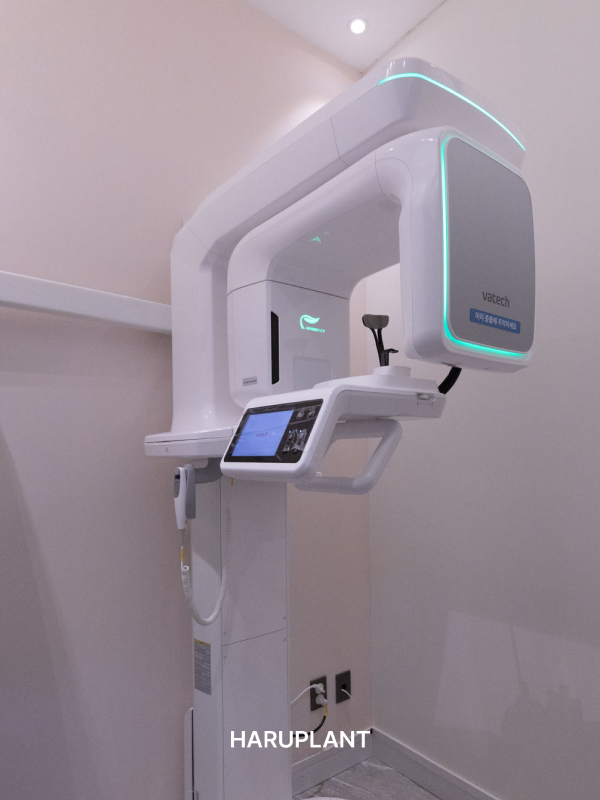
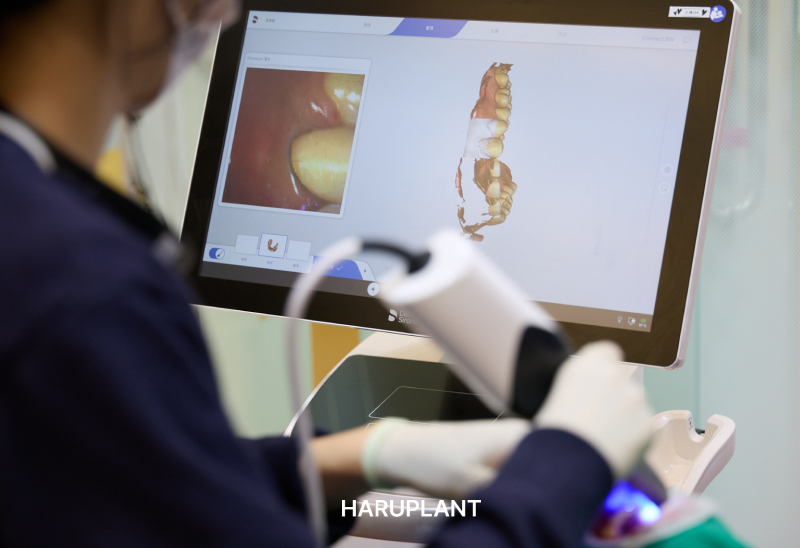
To reduce the likelihood of sinus lift complications, it's important to thoroughly evaluate the shape of the maxillary sinus, the height of the alveolar bone, any underlying medical conditions, and the presence of inflammation before surgery.
Haru Plant Dental Clinic follows a systematic process, from pre-surgery treatment planning to post-surgery care. In addition to consulting with patients, we perform precise diagnostics to build individualized treatment plans and proceed with care tailored to each patient's condition and needs.
We also continue to take part in academic exchanges, seminars, and other educational activities to steadily improve our medical team's clinical expertise.
At the post-surgery care stage, we explain necessary aftercare in advance and help answer questions patients often have during recovery, such as nosebleeds, bruising, and swelling after a sinus lift.
After treatment, patients may feel anxious or uneasy due to changes in their condition or unfamiliar physical responses. We hope today's information is helpful to anyone who may be feeling this way.
That's all for today.
For implants, Haru Plant Dental Clinic at Gangnam Station is here for you.

Frequently Asked Questions
Is a nosebleed after sinus lift surgery normal?
Yes, a small amount of blood or blood-tinged nasal discharge for about 2 to 3 days after surgery can be observed during the healing process. Be careful not to blow your nose forcefully, as pressure inside the nose can strain the surgical site.
How should swelling after a sinus lift be managed?
Cold compresses are recommended for 5 days after surgery. Swelling appears in the cheeks or under the eyes as the surrounding tissue stimulated during surgery heals, and it usually subsides gradually over time.
If I bruise easily, will I bruise more after surgery?
Yes, that can happen. If you tend to bruise easily, bruising after surgery may appear more readily or cover a wider area and look darker. Most bruises fade over time, so there's no need to be overly anxious.
What should I do if symptoms persist 2 to 3 weeks after surgery?
Visit the dental clinic where you had surgery for a checkup. If you notice a foul smell from your nose or pain under your eye even 2 to 3 weeks after surgery, don't wait. Come in to check for infection or sinusitis.
When is a sinus lift necessary?
It may be needed when there isn't enough bone in the upper molar area. The sinus membrane is gently lifted and bone graft material is placed to secure enough bone to support an implant stably.
What symptoms should I watch out for after a sinus lift?
If you experience severe facial pain, a foul odor, pus-like nasal discharge, or persistent nasal congestion, visit the dental clinic where you had surgery for a checkup. It helps to distinguish these from the normal symptoms of recovery.