2026-10-18
How Many Implants Do You Need for a Full-Arch Restoration? The Type and Cost of Edentulous Implants Vary Depending on the Number That Suits You
Full-arch implants do not require one implant per lost natural tooth. Typically 6–10 implants per jaw support 12–14 prosthetic teeth, and the exact number depends on jawbone condition.
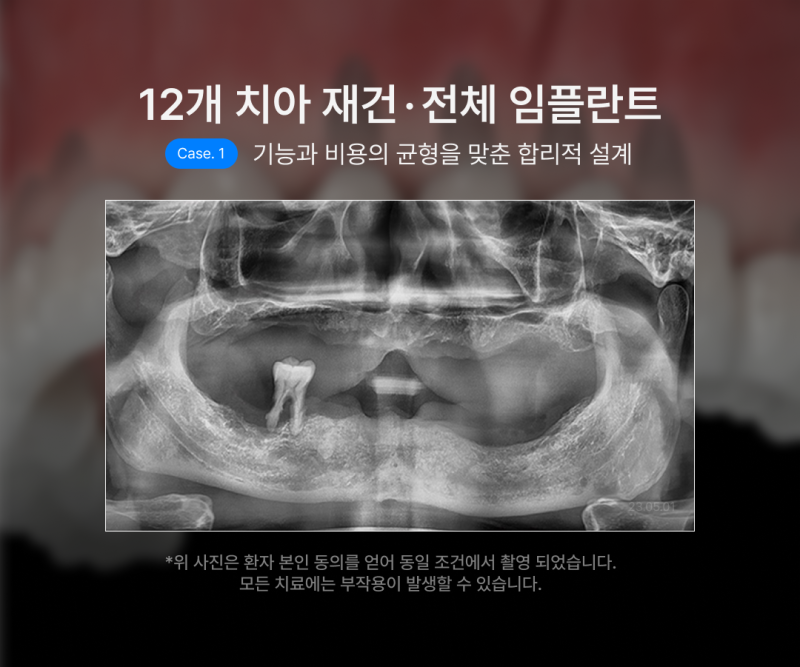
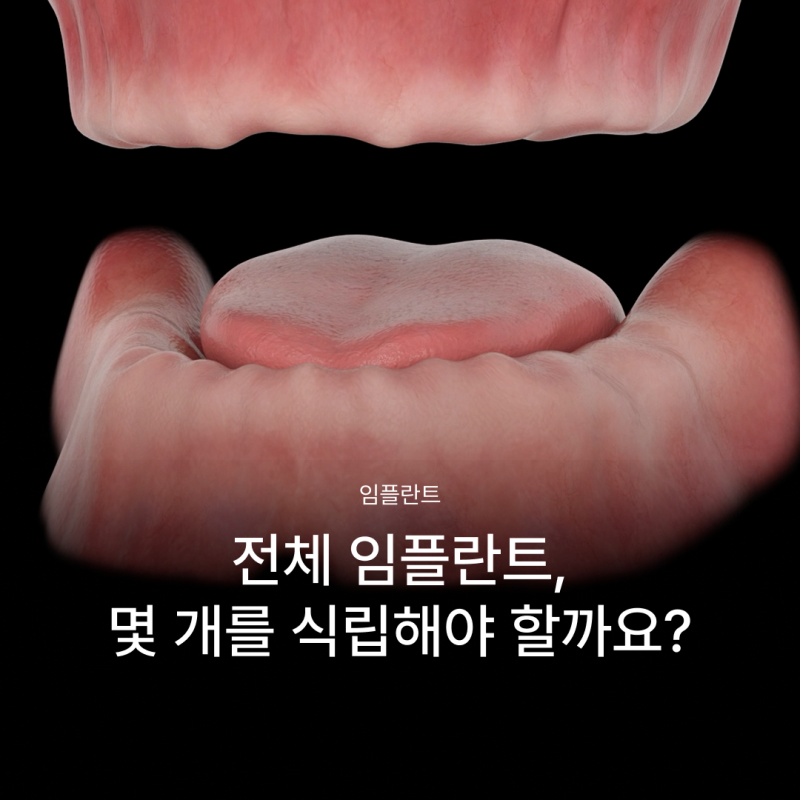
How Many Implants Do You Need for a Full-Arch Restoration? The Type and Cost of Edentulous Implants Vary Depending on the Number That Suits You
Hello!
This is Haru Plant Dental Clinic, helping you start each day with comfort.
When people come to learn about full-arch implants, there is one question we hear again and again:
How many implants do I need for full-arch implants?
That is the question. Many people want to know whether they need as many implants as the teeth they once had, or whether they can get by with fewer.
In fact, the number of implants is closely tied to the total cost, the treatment period, and the overall scope of treatment, so it is only natural to be curious about it.
From a patient's perspective, since all of the teeth are gone, it feels natural to assume that you need to replace as many teeth as you have lost.
With that in mind, we hope this will help anyone who has been wondering about this question. Today, we'd like to walk through how many implants are needed for a full-arch restoration.
So, how many implants are needed for a full-arch restoration?
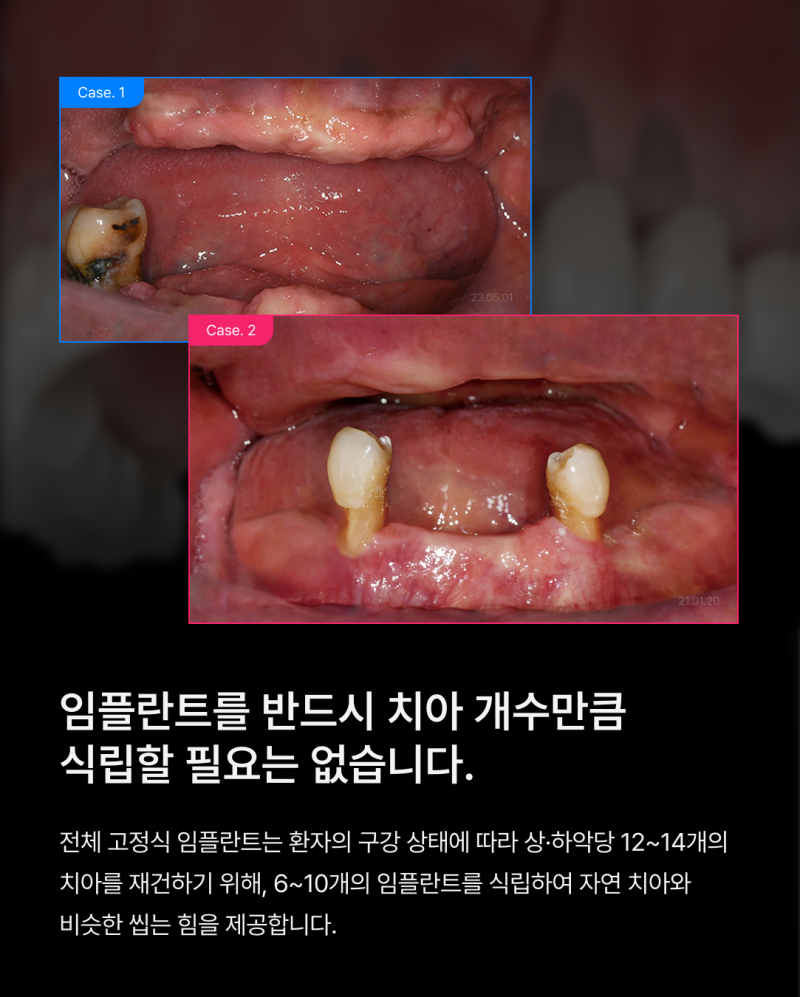
To cut to the chase, full-arch implants do not need to be placed in the same number as the natural teeth you lost in the past.
Also called full-mouth implants, a full-arch restoration involves placing 6 to 10 implants in each jaw and attaching 12 to 14 artificial teeth to rebuild the entire set of teeth.
This is because the angle and direction of the implant fixtures (the artificial tooth roots) placed in the gum bone are carefully calculated and then strategically positioned.
By doing so, the chewing force on the prosthesis is distributed evenly rather than concentrated in specific areas.
The jawbone is the key factor here. Because fixtures are placed directly into the alveolar bone, the positions and number of implants that can be placed depend on bone density and bone volume.
In practice, the number of full-arch implants needed is determined not by the number of teeth, but by the condition and structure of the jawbone that supports them.
In other words, if the structure and condition of the jawbone differ, the scope of reconstruction and the treatment approach will differ as well.
At Haru Plant Dental Clinic, we carefully assess the condition of the jawbone and then choose between a 12-tooth and a 14-tooth reconstruction, whichever suits the patient.
What's the difference between a 12-tooth and a 14-tooth reconstruction?
Each jaw, the upper (maxilla) and lower (mandible), has 14 teeth. Full-arch implant treatment can be broadly divided into two types depending on how many teeth are reconstructed in each jaw.
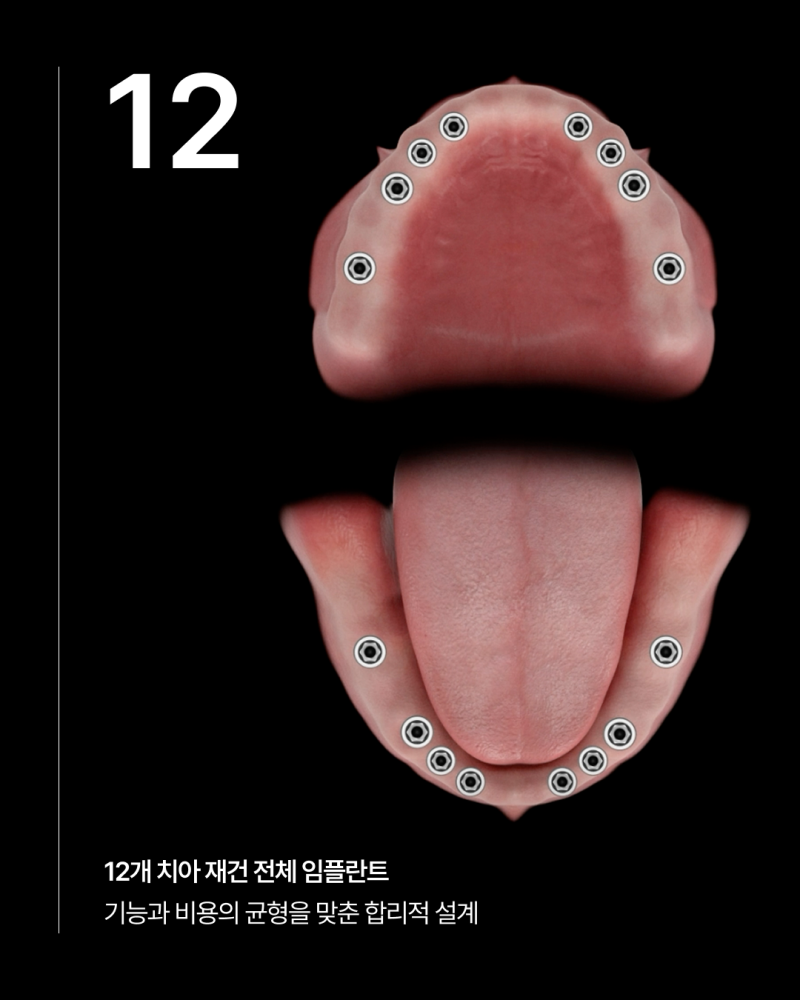
The 12-tooth reconstruction, one type of full-arch implant, restores teeth from the front incisors to the first molars.
This design provides basic chewing function and aesthetics while helping to reduce the treatment period and cost burden.
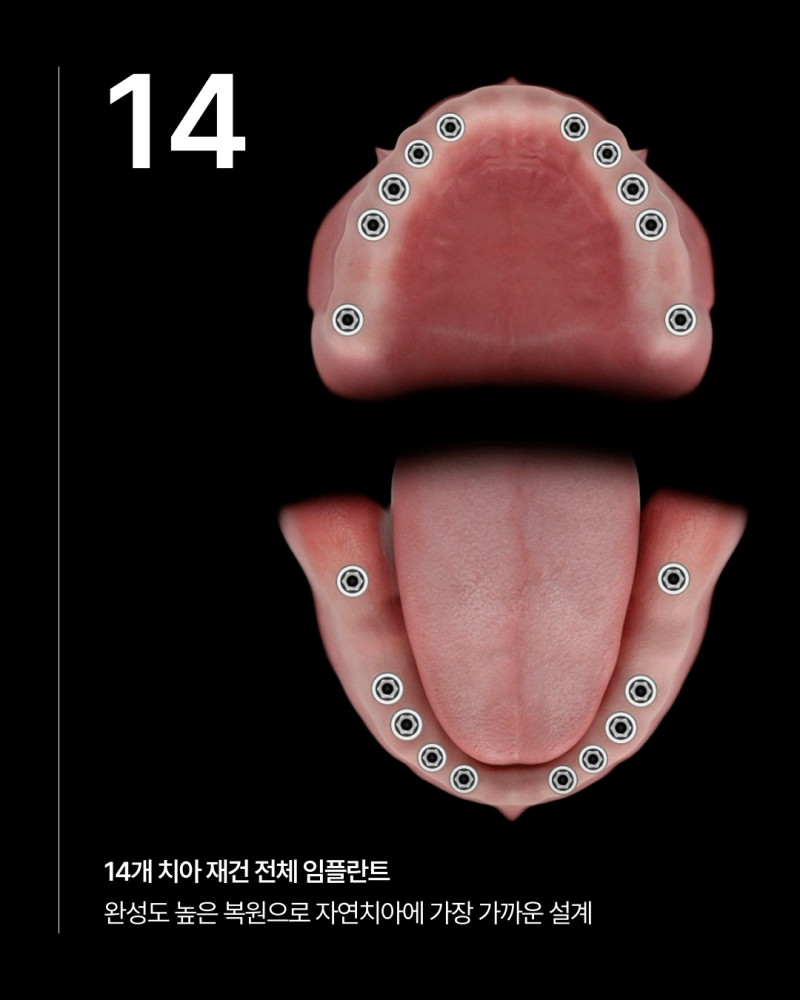
The 14-tooth reconstruction is a type of implant that restores the entire dental arch, including up to the second molars.
You can eat hard foods such as meat and nuts without trouble, and with a dental arch that extends to the corners of the mouth, you can also restore a natural smile line.
Because the scope of tooth reconstruction differs, the number of implants, the scope of prosthetic fabrication, and the treatment period all change, which can also lead to differences in the total full-arch implant cost.
Which type is the best fit for me?
Even among full-arch implants, the most suitable type can vary depending on jawbone condition, budget, and lifestyle habits.
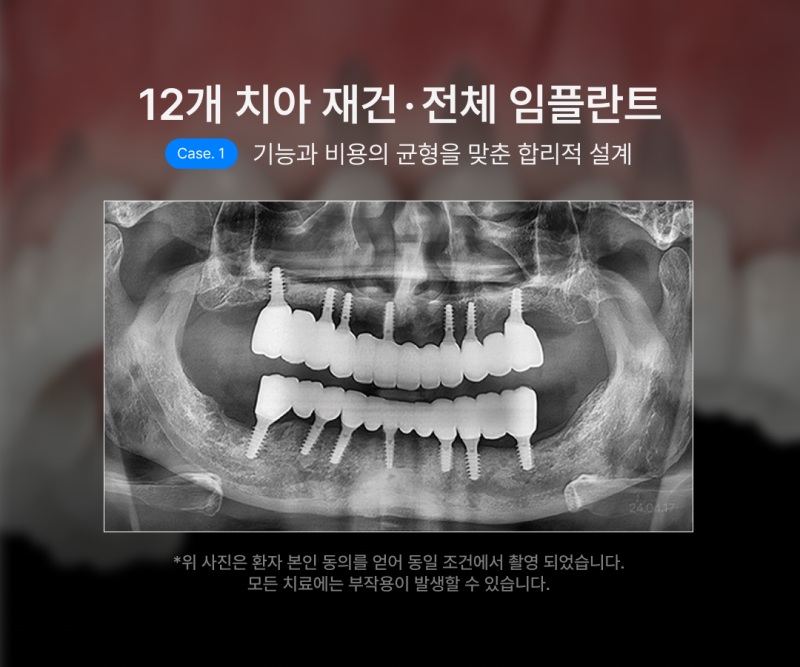
If you prioritize total cost and recovery speed, a 12-tooth reconstruction may be a practical choice. If you prioritize strong chewing power closest to natural teeth and refined aesthetics, a 14-tooth reconstruction may be more suitable.
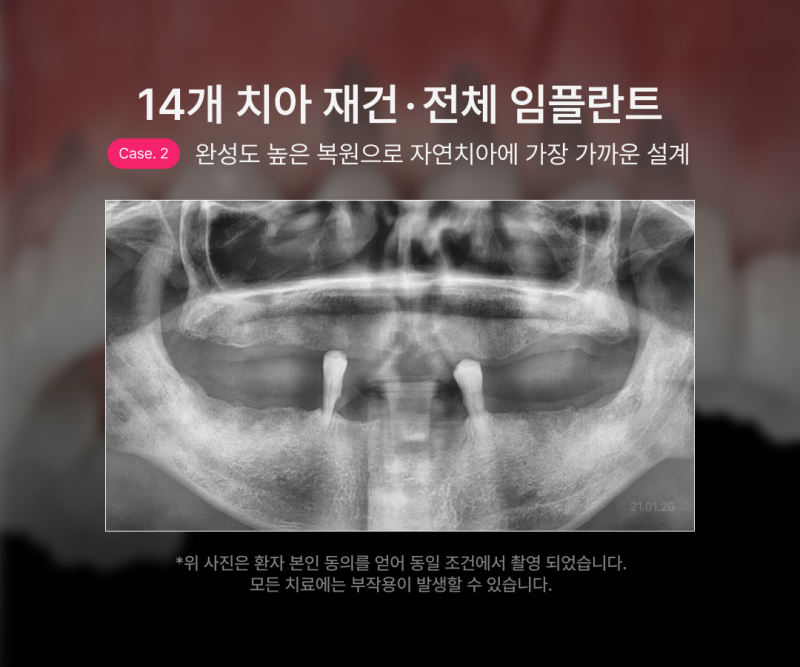
However, how many full-arch implants should be placed and how the structure should be designed can only be decided after directly examining your oral condition.
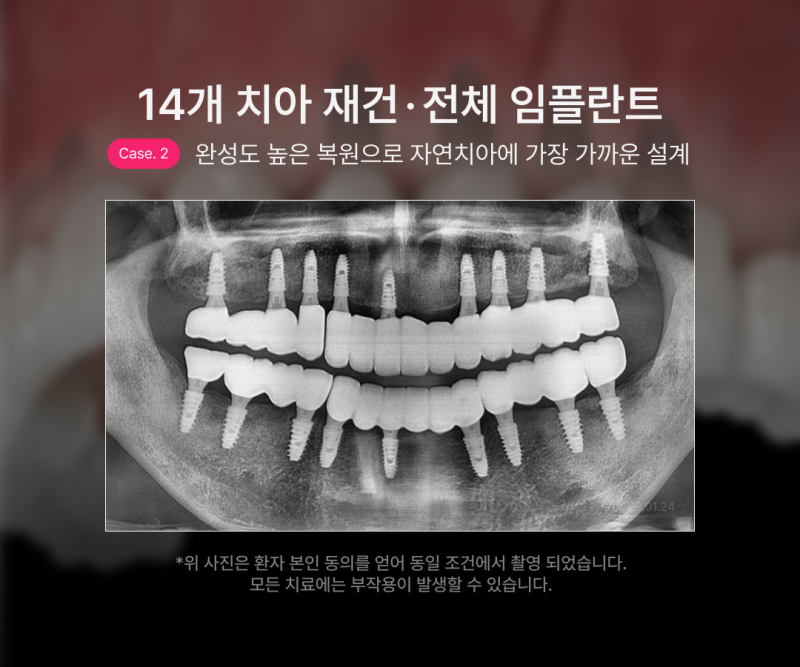
This is why a precise diagnosis is the starting point of any treatment plan.
Even if you want a 14-tooth full-mouth reconstruction, depending on your gum condition you may need to proceed with a 12-tooth reconstruction. Conversely, even if you were told that only a 12-tooth reconstruction was possible, precise diagnosis may reveal that restoring up to 14 teeth is possible.
This is why Haru Plant Dental Clinic aims to build a state-of-the-art, top-spec digital diagnostic system, so that we can develop treatment plans better suited to our patients.
Haru Plant Dental Clinic's Full-Arch Implant Diagnosis and Prosthesis Production Process
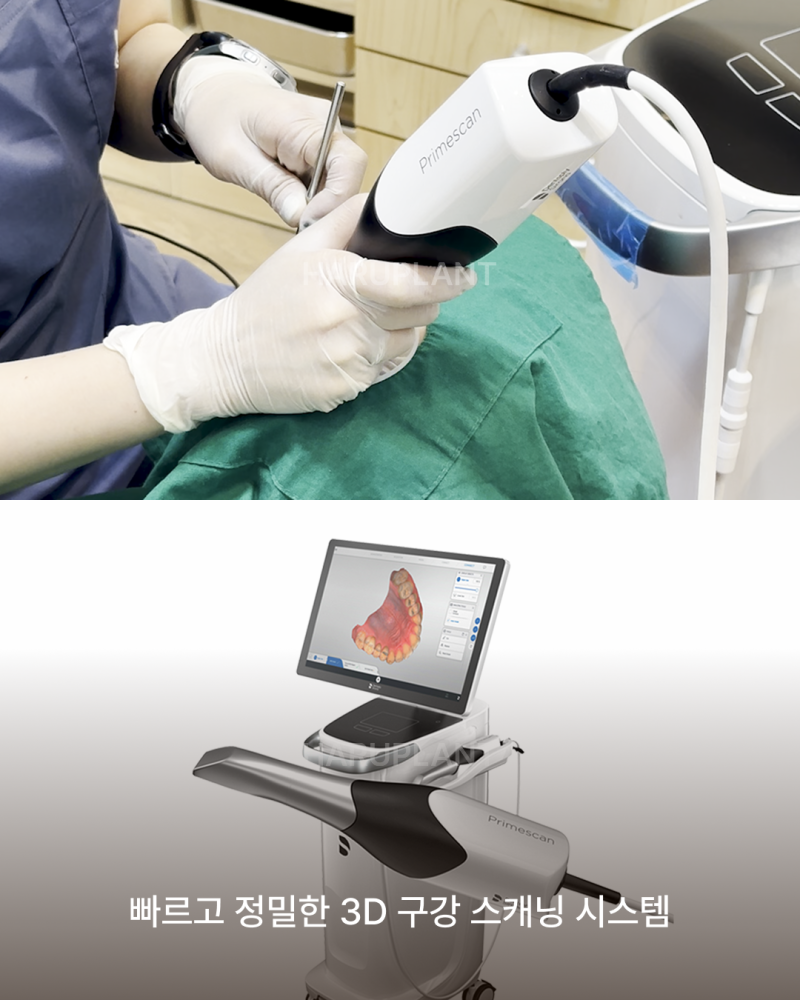
For edentulous, full-mouth, and full-arch implant treatments, Haru Plant Dental Clinic uses state-of-the-art digital diagnostic equipment, including 3D CT, 3D intraoral scanners, and facial scanners, to thoroughly scan jawbone density, bone volume, and occlusal structure.
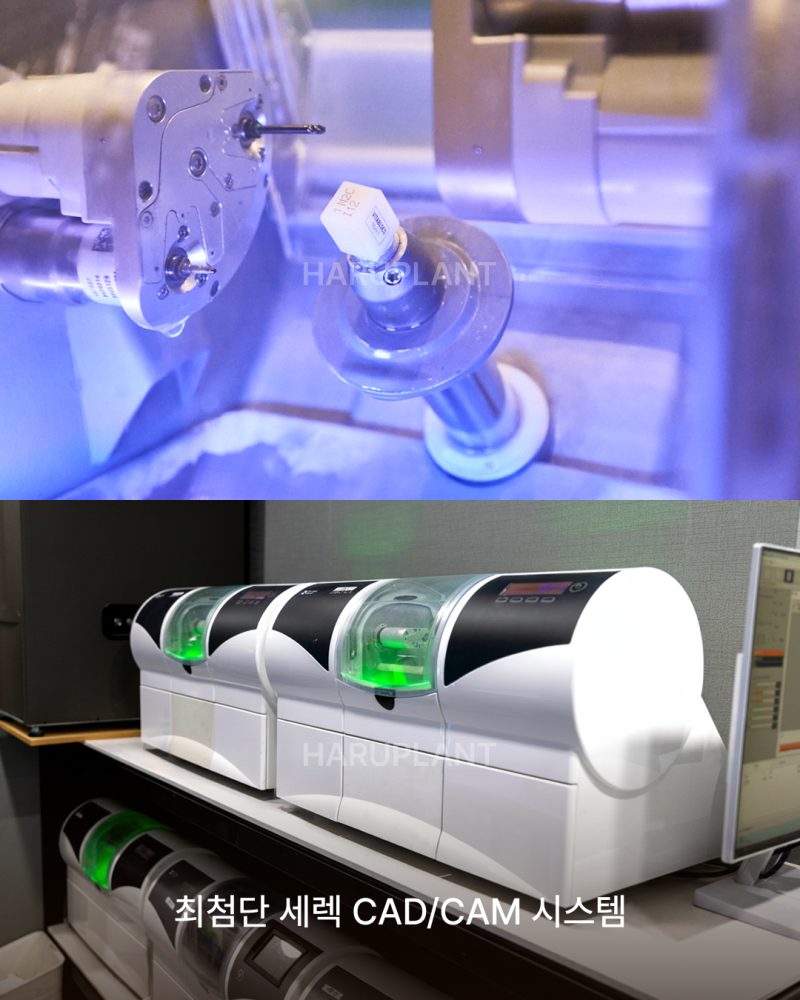
In addition, based on a CAD/CAM system, our specialist medical team designs customized surgical plans for each patient using three-dimensional oral data.
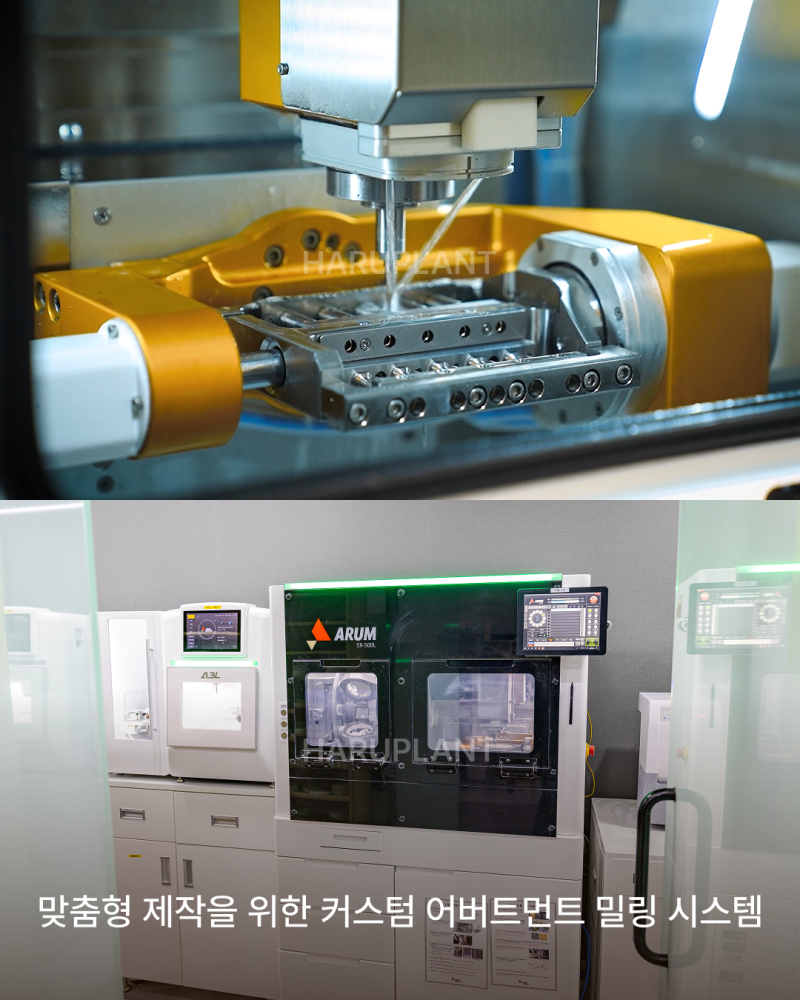
At the Haru Plant Digital Dental Lab Center on the 14th floor of Haru Plant Dental Clinic, we directly fabricate custom prostheses and abutments based on each individual's oral data.
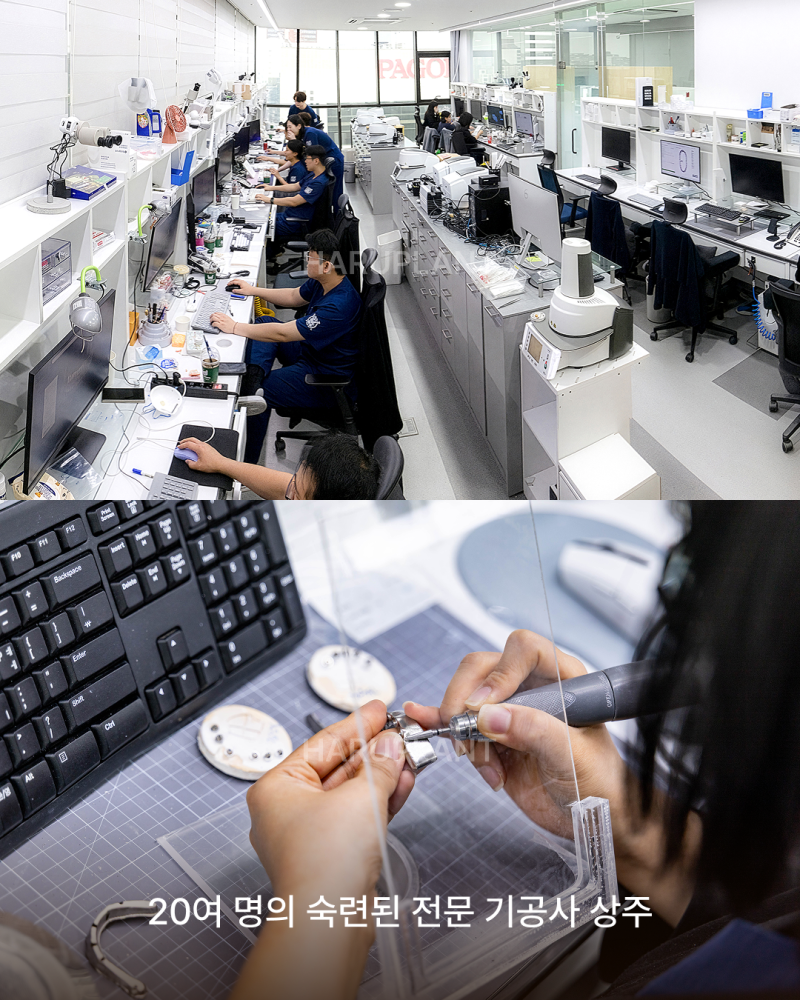
Because we handle everything from diagnosis to prosthesis fabrication in-house through our own dental lab rather than outsourcing to external labs, the surgical plan is carried through to the prosthesis without error.
We also have a system that enables same-day prosthesis fabrication, which reduces unnecessary steps and can shorten the overall treatment period and the number of clinic visits.
Since treatment plans vary depending on the type of implant and placement structure, having a precise diagnostic environment is the basic direction of Haru Plant Dental Clinic.
Full-arch implants at Haru Plant Dental Clinic, Gangnam Station.
This post contains medical information and advertising from Haru Plant Dental Clinic and has been written in compliance with Article 56 of the Medical Service Act and its Enforcement Decree.
Treatment results may vary from person to person, and side effects such as bleeding and inflammation may occur after treatment. Please consult thoroughly with your medical team and review the precautions before proceeding.
Frequently Asked Questions
Do I need as many implants as I have teeth for a full-arch restoration?
No. You do not need to place as many implants as the natural teeth you have lost. For full-arch implants, 6 to 10 implants are placed per jaw, and 12 to 14 artificial teeth are attached to rebuild the entire set of teeth.
What determines the number of implants for a full-arch restoration?
It is determined not by the number of teeth, but by the density, bone volume, structure, and condition of the jawbone that supports the implants. Because fixtures are placed directly into the alveolar bone, the positions and number that can be placed depend on the bone condition.
How is a 12-tooth reconstruction different from a 14-tooth reconstruction?
A 12-tooth reconstruction restores teeth from the front incisors to the first molars, while a 14-tooth reconstruction restores teeth up to the second molars. A 12-tooth reconstruction is designed to reduce the treatment period and cost burden, while a 14-tooth reconstruction may be considered when strong chewing power and aesthetics are prioritized.
What equipment is used for full-arch implant diagnosis?
Haru Plant Dental Clinic says it scans jawbone density, bone volume, and occlusal structure using digital diagnostic equipment such as 3D CT, 3D intraoral scanners, and facial scanners. This data is used to design customized surgical plans for each patient, and the clinic explains that treatment plans can vary depending on the diagnostic results.
What affects the cost of full-arch implants?
The cost can vary depending on the number of implants, the scope of prosthetic fabrication, and the treatment period. This article does not provide specific prices, so for an accurate cost estimate, it is best to have your oral condition checked and contact the dental clinic directly.
Why is a precise diagnosis necessary for full-arch implant treatment?
A precise diagnosis is needed to determine the scope of treatment. Depending on your gum condition, you may need to proceed with a 12-tooth reconstruction even if you want a 14-tooth one. Conversely, even if only a 12-tooth reconstruction was judged possible, the possibility of restoring up to 14 teeth may be confirmed.